Admiring the Mighty Fort at Mega
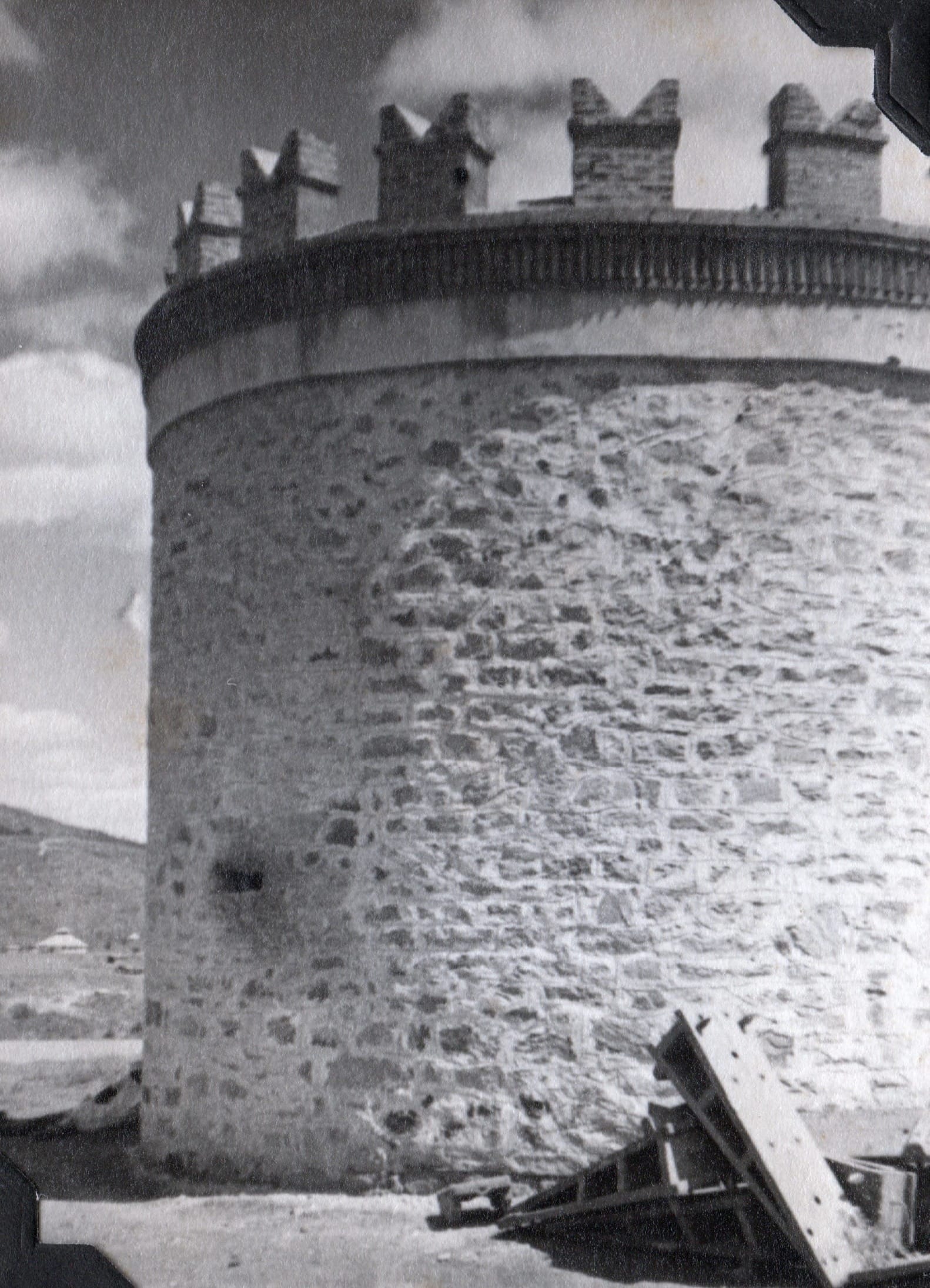
Morris Hirsch in the convoy returning to South Africa finally reached a milestone, the substantial Fort of Mega, 400 miles due south of Addis Ababa.

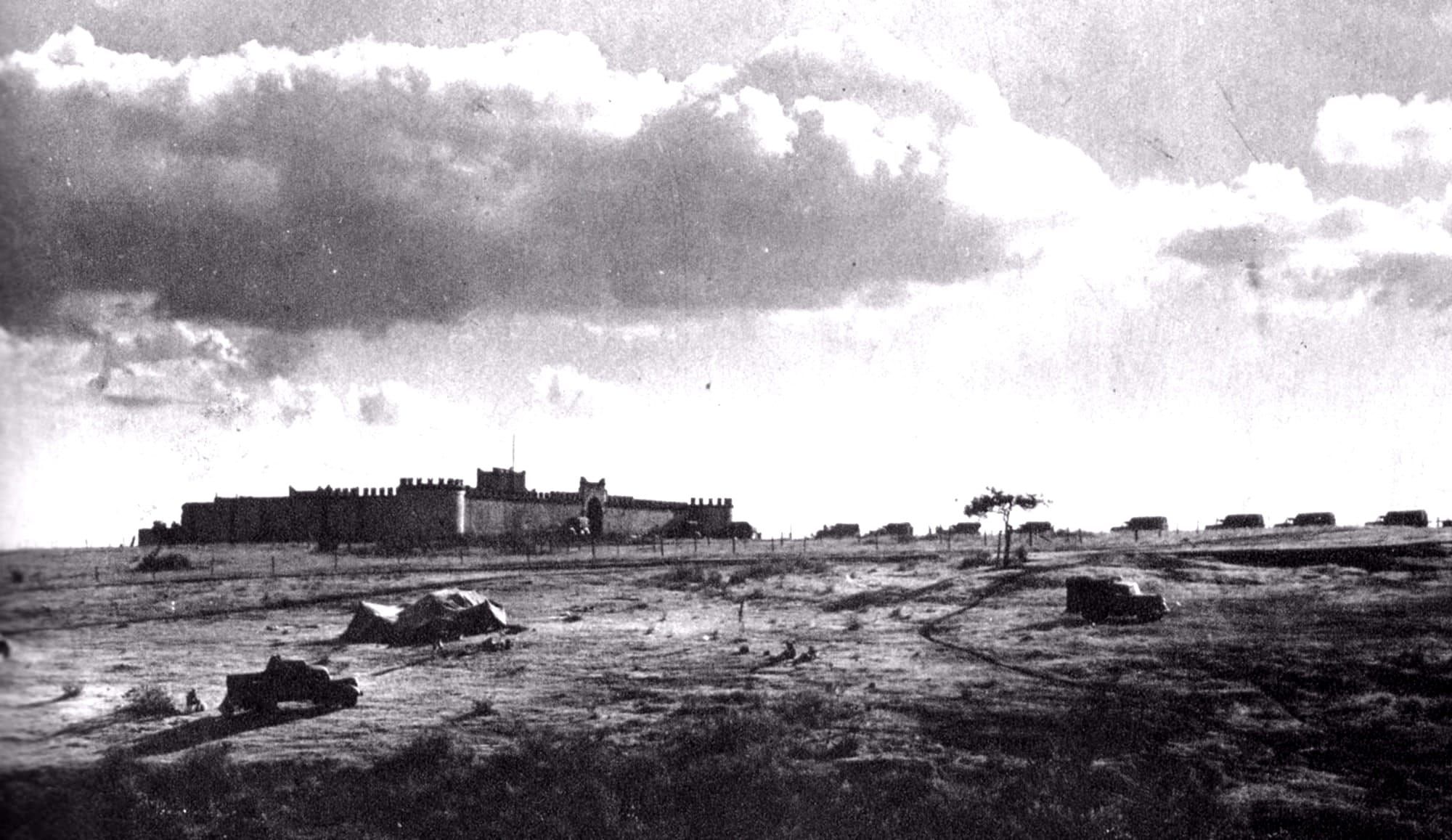
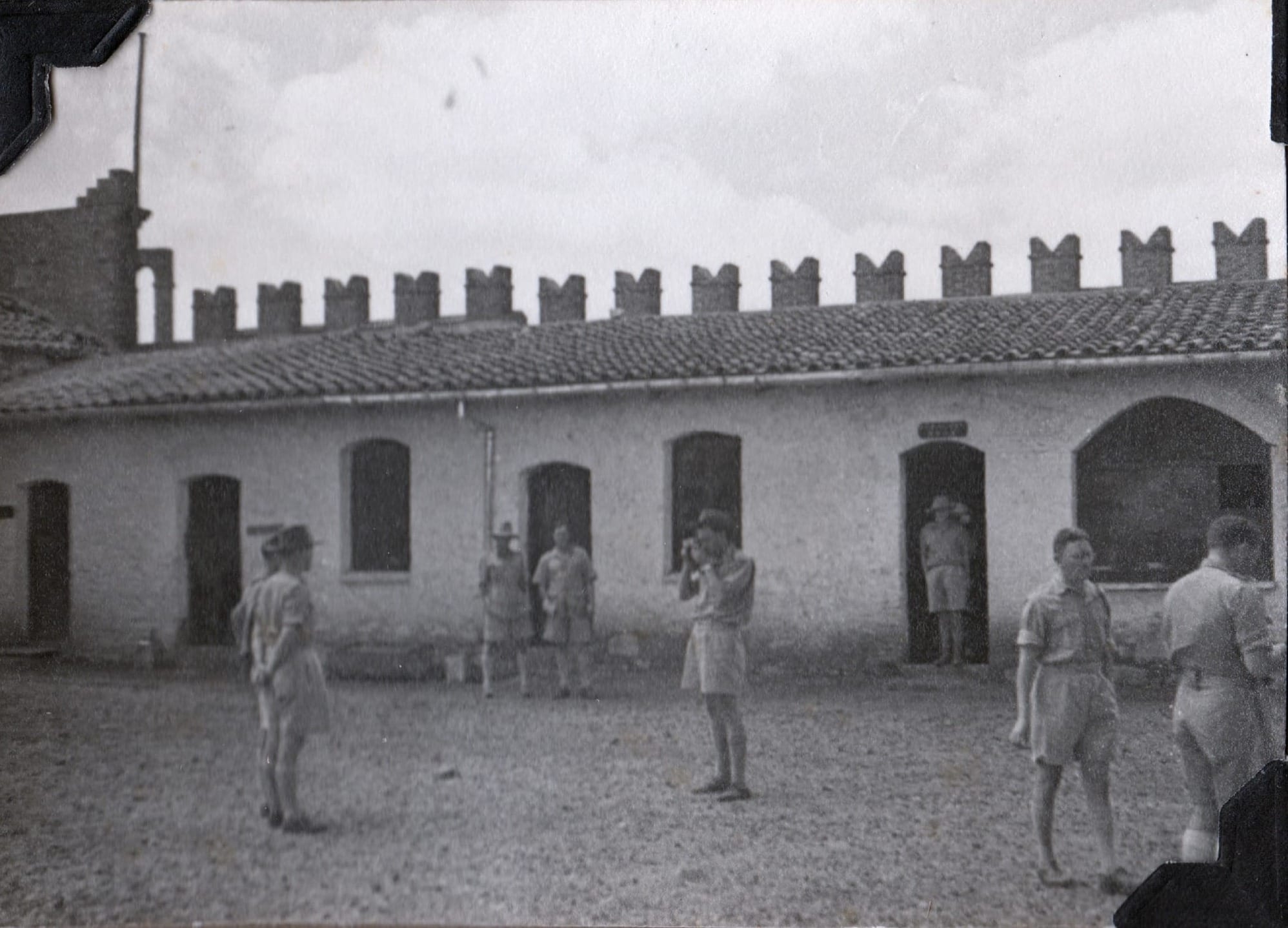
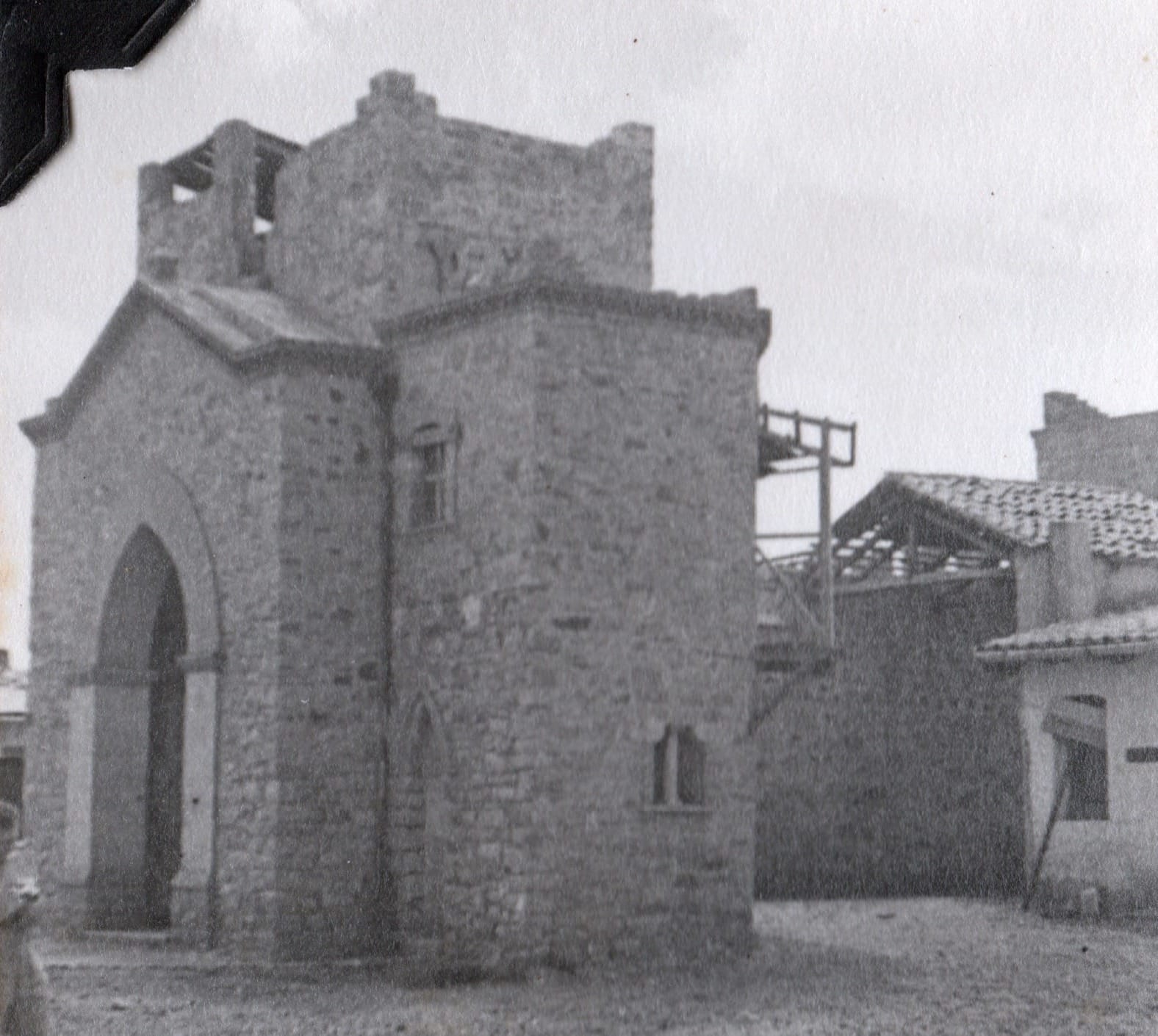
They were given a day to enjoy visiting the fort to learn about the 1st Division's famous victories at this and other forts on the Northern and Eastern frontiers of Kenya.
Fort Mega had been built in 1896 by the Abyssinian (Ethiopian) Empire during its expansion into Boranaland as its primary, heavily fortified, southern military headquarters. In 1920 it served as the residence of the British Consul for Southern Abyssinia. Captured by the Italians in June 1936, the fortress was further expanded and heavily wired, forming a major communications and defensive hub during their occupation.
South Africa's Lieutenant-General George Edwin Brink had been anxious because it would be the first instance of matching South African fighting skills against experienced Blackshirt and Italian Colonial Infantry battalions, who were reinforced by heavy artillery and a series of minefields.
On the 16th February, 1941, two months after the battle of El Wak, the attack began with flying columns of armored car units followed by infantry.
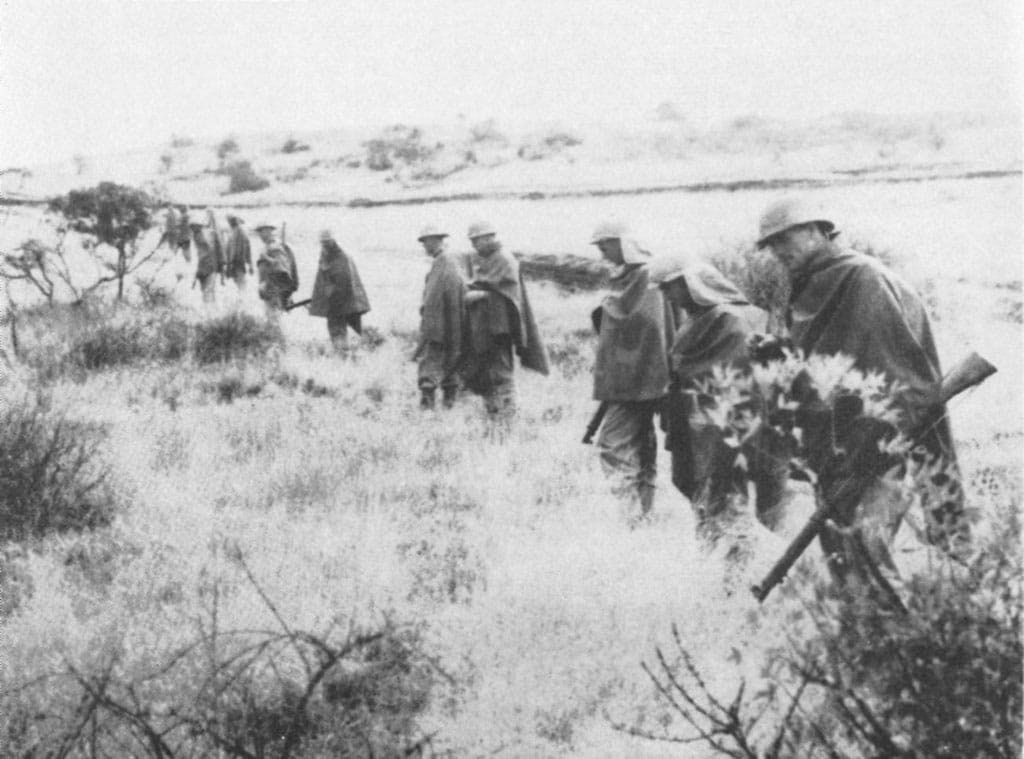
Despite near freezing temperatures and incessant rain, the 1st South African Division prevailed after two days of heavy fighting. In addition to clearing Southern Abyssinia in a series of operational and tactical victories, Brink had captured much equipment and six or seven hundred Italian soldiers and fostered mountain and desert mobile militias known as the Arbegnoch (Patriots), whom the Italians called Shifta (bandits). They proved to be a major factor in the success of the Abyssinian campaign, as was close cooperation between infantry, armor and the air force.

The historical novel Whitewashed Jacarandas and its sequel Full of Possibilities are both available on Amazon as paperbacks and eBooks.
These books are inspired by Diana's family's experiences in small town Southern Rhodesia after WWII.
Dr. Sunny Rubenstein and his Gentile wife, Mavourneen, along with various town characters lay bare the racial arrogance of the times, paternalistic idealism, Zionist fervor and anti-Semitism, the proper place of a wife, modernization versus hard-won ways of doing things, and treatment of endemic disease versus investment in public health. It's a roller coaster read.
References:
Excerpt from Morris Hirsch's Unpublished Memoirs
Also:
https://warfarehistorynetwork.com/article/south-africans-in-the-breech/
https://scielo.org.za/scielo.php?script=sci_arttext&pid=S0018-229X2018000200006
Photos:
Hirsch Archives
https://ibiblio.org/hyperwar/UN/SouthAfrica/EAfrica/img/SAF-East-Africa-48.jpg
https://pdfs.semanticscholar.org/8010/cf4c2582713bb80c31bfe31331cead9a6464.pdf
