Telling the Army What to Do!
Soon enough, the Army beckoned Morris Hirsch back to Sonderwater Base Camp. He was looking forward to an early posting.
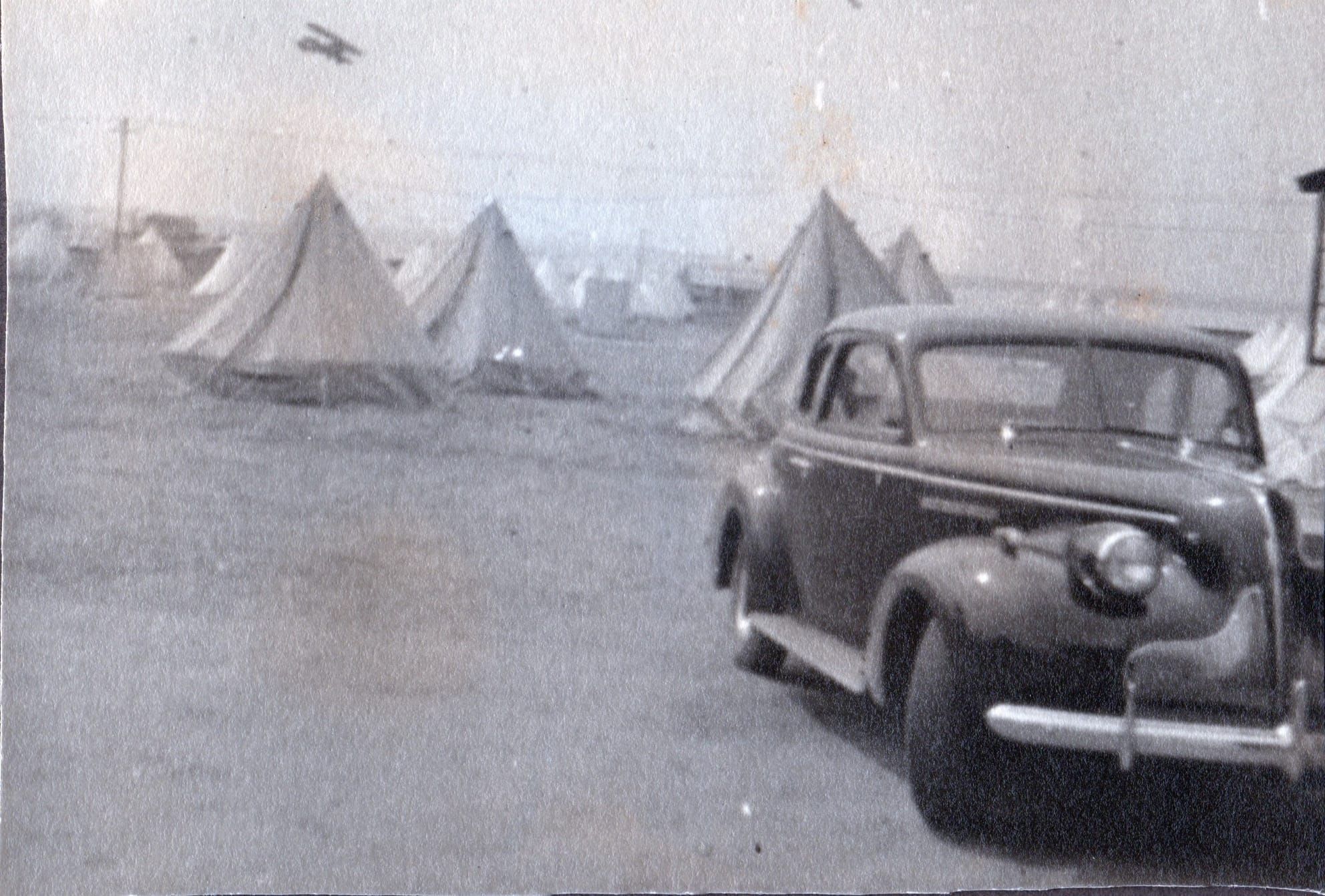
However, nothing happened. He was overlooked whilst later arrivals and older men were being dispatched to East Africa where the assault on the Italians was in full swing. Meanwhile, he was languishing in the boring base camp routine of orderly officer inspections and sick parades.
He did not realise then that this was the pattern of much of army medical activity, wherever one served. He was still filled with dramatic visions of coping with battle casualties and the thrill of moving into the outside world. His only peep beyond the borders of South Africa was seven years earlier through the medical students Inhaca Island camp. There, besides the flora and fauna of the island and the leper colony, he had been so taken with the exotic flavor of Portuguese Lorenzo Marques. The prospect for travel through army service was a rare opportunity. He well remembered, too, the exciting send off of the weekly mail ship to England from Cape Town.
Weeks went by. He suspected he was deliberately overlooked for no valid reason. He sought an interview with the Depot Commanding Officer, Col. J. Orford.
"You are sending older married and medically unfit men to East Africa, while I, single, young and fit seem to be tied to base camp..."
The tight-lipped and wrinkled old WWI veteran interrupted Morris. "In the Army you take orders, you do not tell your superiors what to do. That will be all."
Miserable and discouraged, Morris borrowed the Camp Orderly Office's massive Harley Davidson motorbike. Racing along the main road, a few narrow shaves calmed him down. In the years to come, he would resort to speeding to mend his spirit.
Within a few days, while he was still upset, he had mean and vindictive orders to proceed forthwith to the medical unit in Barberton, Eastern Transvaal! It was a substantive posting for an indefinite period. Was he to see out the war in that remote depot?

The historical novel Whitewashed Jacarandas and its sequel Full of Possibilities are both available on Amazon as paperbacks and eBooks.
These books are inspired by Diana's family's experiences in small town Southern Rhodesia after WWII.
Dr. Sunny Rubenstein and his Gentile wife, Mavourneen, along with various town characters lay bare the racial arrogance of the times, paternalistic idealism, Zionist fervor and anti-Semitism, the proper place of a wife, modernization versus hard-won ways of doing things, and treatment of endemic disease versus investment in public health. It's a roller coaster read.
References:
Excerpt from Dr. Morris Isaac Hirsch's Unpublished Memoirs. Hirsch Archives.
Photo: Hirsch Archives.