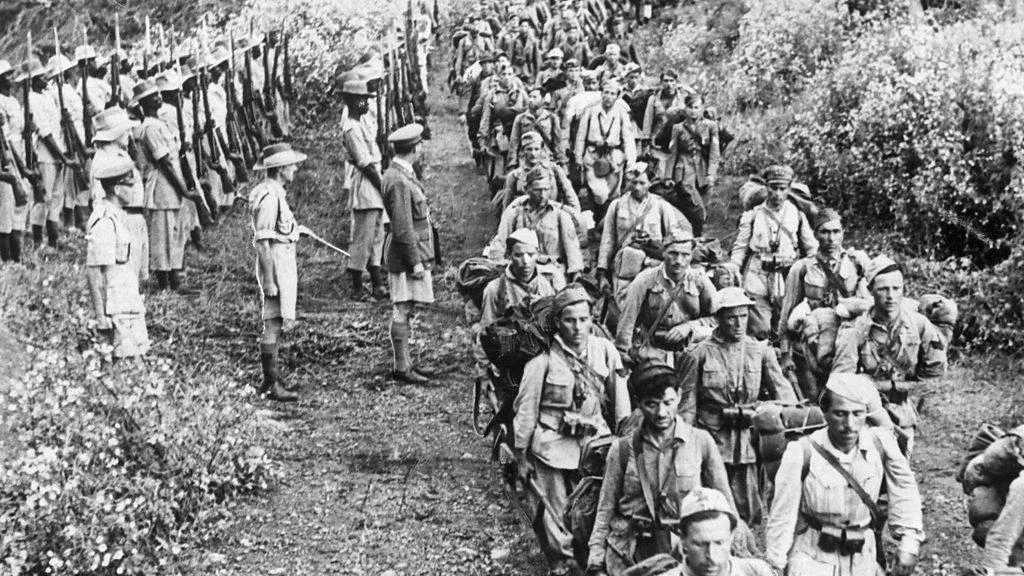
Wolchifit Mountain Pass
Wolchifit Pass (Uolchefit or Wolkefit), on the alternative route south from Asmara to Addis Ababa, in the spectacular Semien Mountains, was defended by a heavily fortified garrison of about 4,000 men under Colonel Mario Gonella.

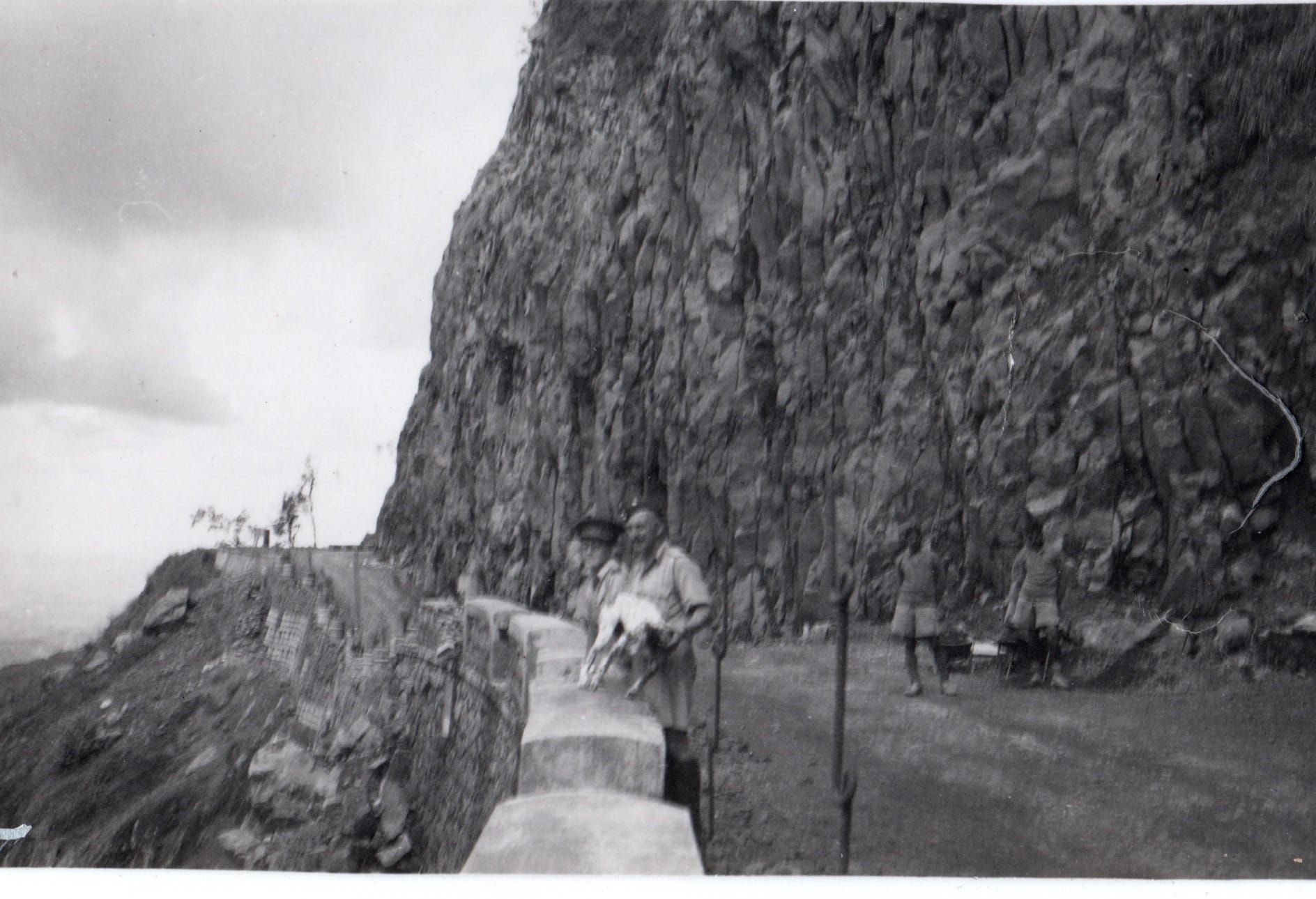
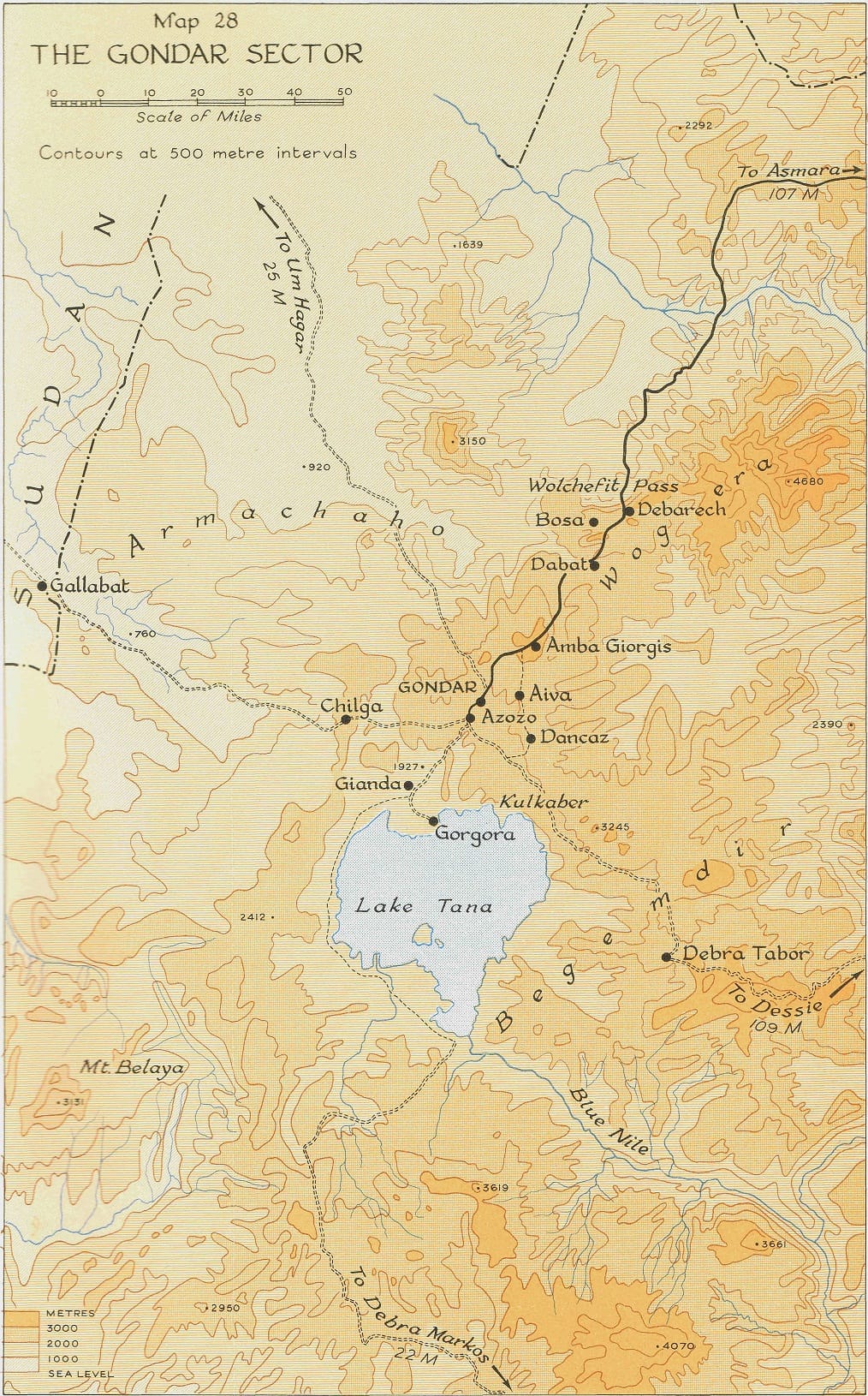
Possession of the Pass was imperative for the Allies in order to attack the Italian's last remaining stronghold of the East African Campaign at Gondar 300 miles south of Asmara, just north of Lake Tana, the source of the Blue Nile.
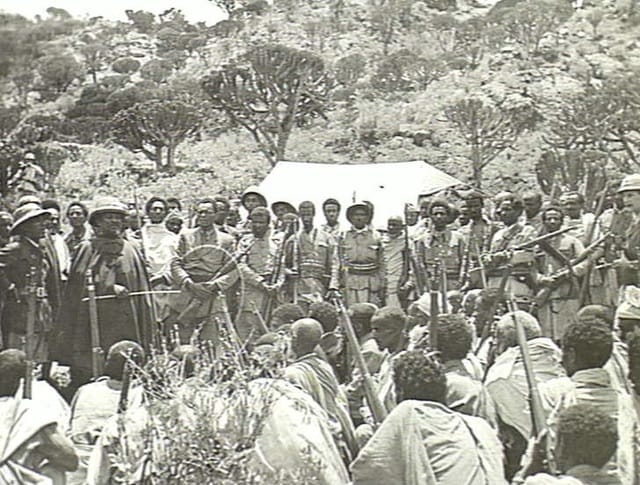
The vital pass had been besieged by irregular Ethiopian forces (the Arbegnoch), led by British Major B.J. Ringrose since May 1941. They were later augmented by units from the 3/14th Punjab Battalion and part of the 12th African Division. Attacks and counterattacks continued through August 1941 to no avail.
The Italians held about a dozen well chosen defended localities, with a depth of about three miles. The garrison was thought to be 3,000 Italian and 2,000 Colonial troops with thirty guns and plenty of machine-guns and mortars.
From below the escarpment a Sudan Defense Force Unit kept watch, while to the west Patriot bands were gathering advised by British officers from the British Army including Major B. J. Ringrose, and a company of the 3rd Ethiopian Battalion. These Patriot operations were not easy to direct because their chiefs were at odds and some were unfriendly to the Emperor for tribal reasons and were often pro-Italian. However Major Ringrose gradually obtained control and the Patriots filtered up the escarpment.
By mid-April Major Ringrose and the Wogera chief Ras Ayalu Birru had seized Dabat (south of Wolchifit Pass) and on 5th May the Italians evacuated Amba Giorgis, close to Gondar. Wolchifit was now cut off from Gondar, and General Platt ordered an attempt to be made to break into the Italian positions there. Two unsuccessful attacks were made in May and another set-back followed in June, when the Italians made a counter-attack and captured Ras Ayalu Birru. The Patriots then melted away for a time.
Daily, British and Free French aeroplanes bombed targets which included Gondar.
The continual and unchallenged appearance of British planes convinced the Patriots that the Italians' day was over; it encouraged the waverers and sustained all when set-backs occurred.
By early July the Patriots had rallied again. Major Ringrose finally got substantial regular troops when the 3/14th Punjab Regiment arrived from Asmara and joined the Patriots at Bosa but the attempt against Wolchifit miscarrried and was not repeated. The Patriots, however, continued their activities, which fluctuated with the weather, the supplies of money and food, and their own feuds and rivalries.
The air force bombed persistently and the SAAF five times dropped food and ammunition for the Patriots.
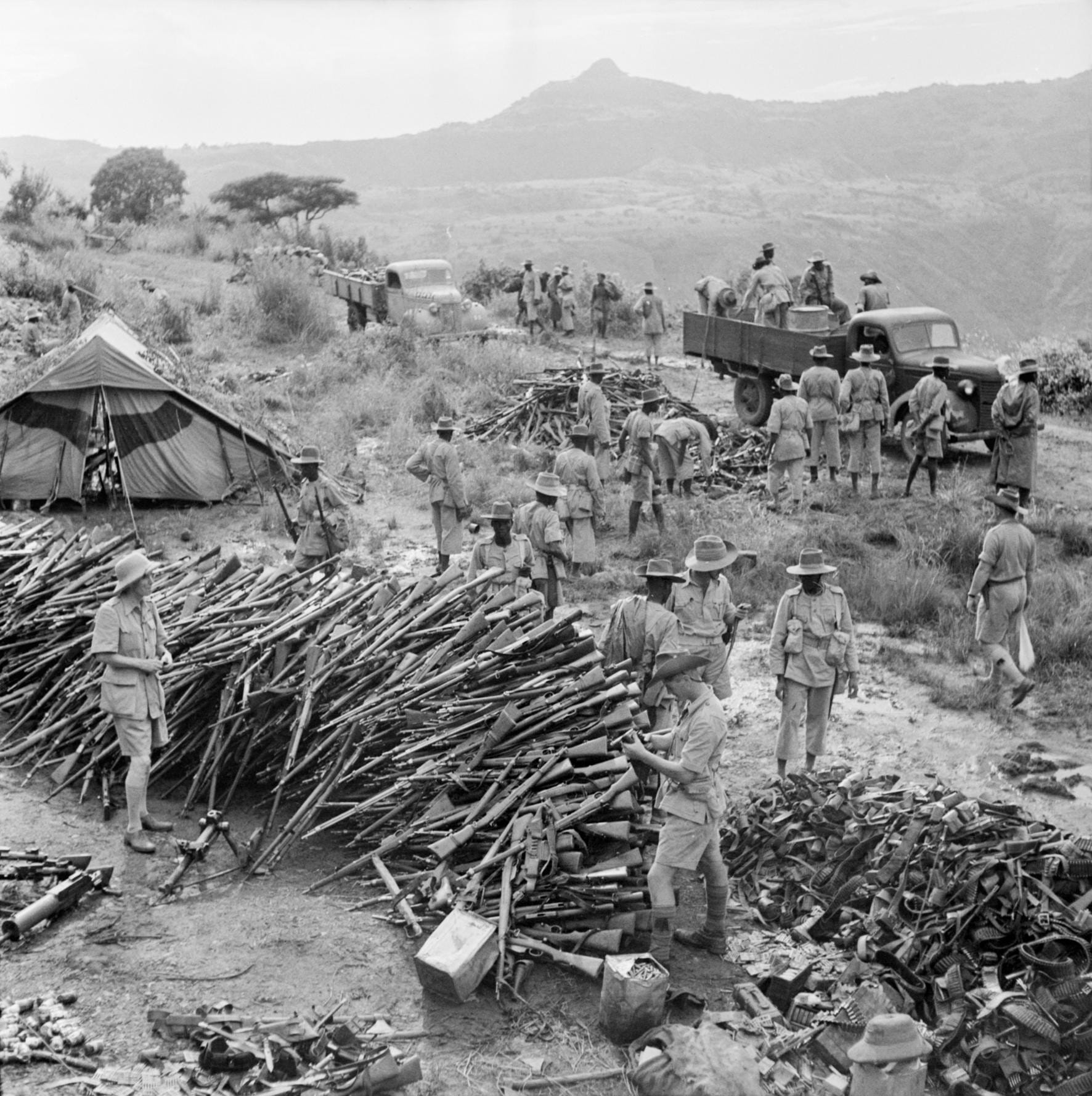
The Italians at Wolchifit were known to be running short of supplies and to be having trouble with their native troops but by mid-September there seemed little reason to expect that Wolchifit would fall, when to the surprise of the British, Colonel Gonella, the Italian commander, proposed an armistice to Major Ringrose. He had lost many men by desertion and was short of food. On 27th September he surrendered with 1,631 Italians and 1,450 Colonial troops to the commander of the 25th East African Brigade.
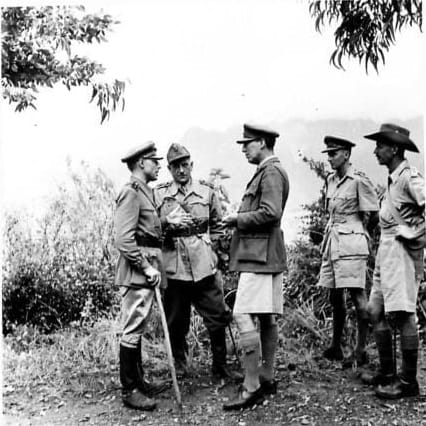
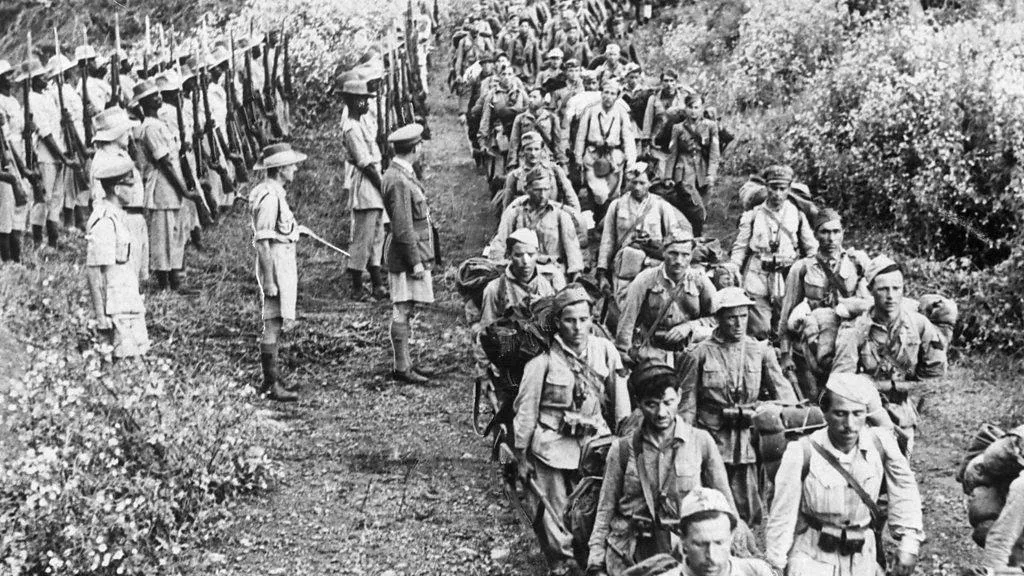
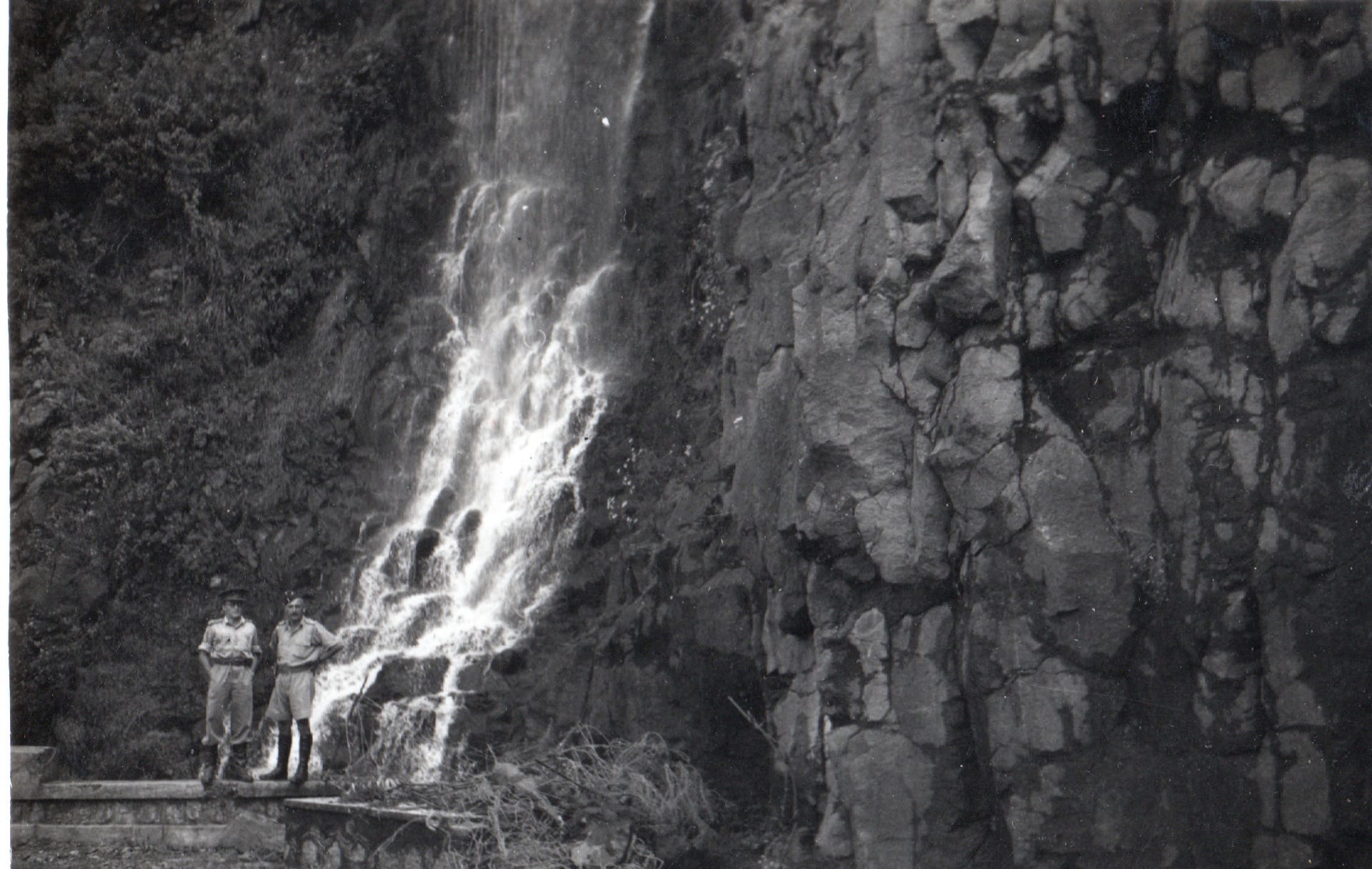
Morris Hirsch had set up camp with 'B' Company of the 6th Ugandan Ambulance at Zarema just north of Wolchifit Pass. After the Italians at Wolchifit surrendered, 'B' Company set up a new camp below the escarpment at Gondar.

The historical novel Whitewashed Jacarandas and its sequel Full of Possibilities are both available on Amazon as paperbacks and eBooks.
These books are inspired by Diana's family's experiences in small town Southern Rhodesia after WWII.
Dr. Sunny Rubenstein and his Gentile wife, Mavourneen, along with various town characters lay bare the racial arrogance of the times, paternalistic idealism, Zionist fervor and anti-Semitism, the proper place of a wife, modernization versus hard-won ways of doing things, and treatment of endemic disease versus investment in public health. It's a roller coaster read.
References:
Excerpts from Morris I. Hirsch unpublished memoirs. Hirsch Archives
Also: en.wikipedia.org/wiki/Uolchefit
https://www.ibiblio.org/hyperwar/UN/UK/UK-Med-II/UK-Med-2-16.html
Photos:
Hirsch Archives.
Also: https://commons.wikimedia.org/wiki/File:KAR_soldiers_collecting_arms_at_Wolchefit_Pass.jpg
https://upload.wikimedia.org/wikipedia/commons/0/0c/Seyoum_Mengesha_addressing_his_troops.jpg
Imperial War Museum: Wolchifit Surrender.
Map: https://www.ibiblio.org/hyperwar/UN/UK/UK-Med-II/maps/UK-Med-II-28.jpg