Barberton Days
When Morris Hirsch asked why he was being overlooked for the campaign in Abyssinia he was promptly posted to remote Barberton in the Eastern Transvaal for an indefinite period!
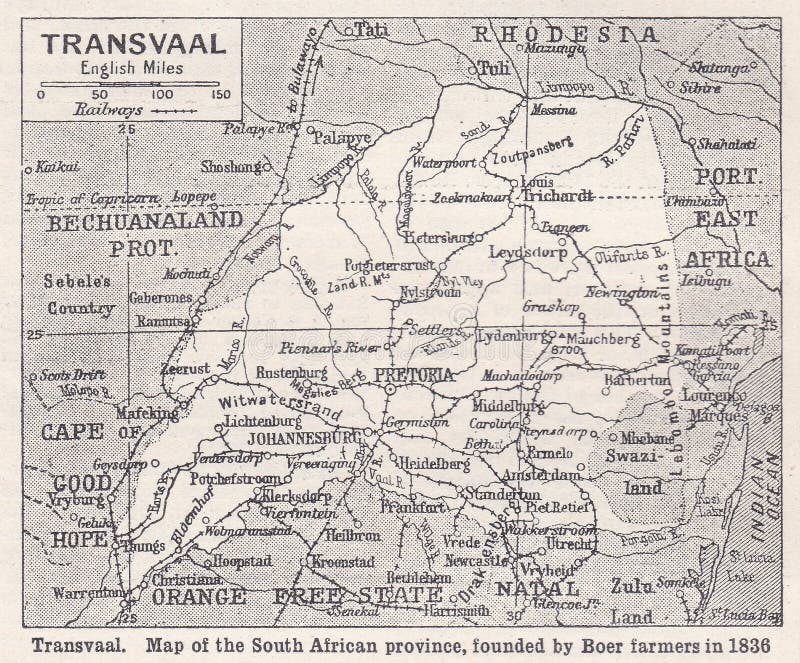
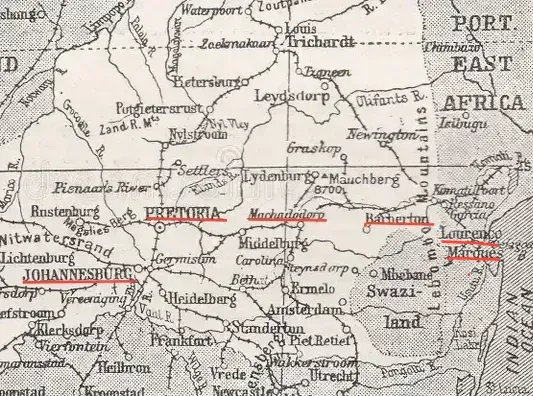
He was still fuming when he began the five hour car journey from Sonderwater, crossing the monotonous highveld grasslands. But the spectacular winding descent into the Lowveld at Machadadorp, from the romantic sounding Waterfall Boven to Waterval Onder in the canyon below, mellowed him. The green eastern mountains in all their majestic beauty came into view. He resolved to make the most of the area and the generous hospitality promised by sympathetic colleagues. He'd still be able to see his true love Joan, even if only monthly. By the time he reported to the Commanding Officer, he'd accepted his fate and was then cheered by the welcome he received.
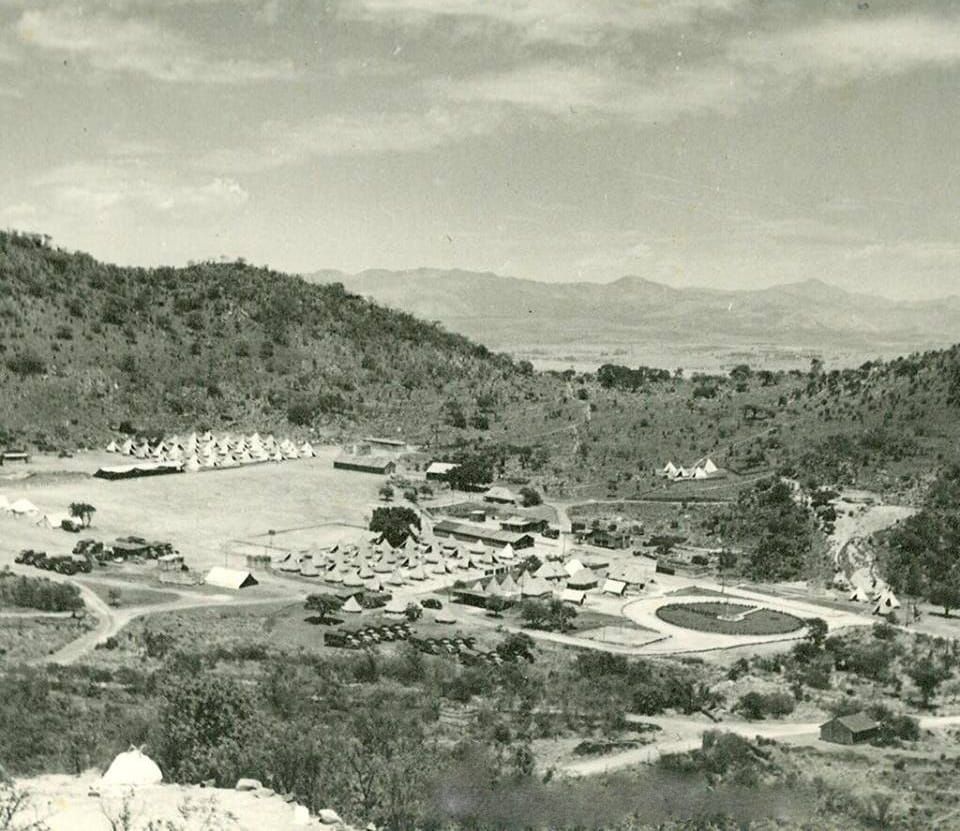
The rustic split-log camp hospital was equipped for minor surgery. They had access to the Barberton civilian hospital for more serious medical and major surgical cases. Morris shared the clinical responsibilities with a very amenable OC, Major John Hoffmann, diminutive, Jewish and a decade or more his senior. He gave Morris all the rope he could wish for as a doctor.
Malaria was the area bugbear. It was Morris' first encounter with it. Stagnant pools were drained or sprayed with oil to prevent the mosquito larvae maturing. In practice these methods weren't very effective. Nor was therapy, dependent on quinine to treat the disease and as a prophylactic, with atebrin the only substitute, and plasmoquine to reduce recurrences.
The best approach was preventing mosquito bites. Morris personally relied on it during his entire military service and afterwards in Southern Rhodesia. He never tasted a quinine tablet, always relying on his mosquito net, appropriate dress after sunset and anti-mosquito cream for exposed parts. He was spared the horrendous suffering inflicted by an initial attack which he was to treat so often.
The incidence of malaria amongst the troops in Barberton was so high that he questioned the wisdom of putting a training camp there. The official justification was the need for a military presence close to the Mozambique border. The route marching in full pack in the mountains in the extremely hot summer months prepared the troops for East Africa and the North African desert.

The historical novel Whitewashed Jacarandas and its sequel Full of Possibilities are both available on Amazon as paperbacks and eBooks.
These books are inspired by Diana's family's experiences in small town Southern Rhodesia after WWII.
Dr. Sunny Rubenstein and his Gentile wife, Mavourneen, along with various town characters lay bare the racial arrogance of the times, paternalistic idealism, Zionist fervor and anti-Semitism, the proper place of a wife, modernization versus hard-won ways of doing things, and treatment of endemic disease versus investment in public health. It's a roller coaster read.
References:
Excerpt from Dr. Morris Isaac Hirsch's Unpublished Memoirs.
Photo Credits: Marius Bakke's Post on Facebook https://www.facebook.com/groups/the.barberton/posts/10161737348177350/
 Michelle Bridges