On the Receiving End of Surgery
Morris Hirsch, on an intake Sunday, woke early with abdominal cramps. He was brewing another attack of acute appendicitis.

Morris Hirsch, on an intake Sunday, woke early with abdominal cramps. He was brewing another attack of acute appendicitis. The previous three or four episodes had settled spontaneously when he stayed off food for a day or two. The spasms of central abdominal pain and nausea intensified, until, after about six hours, they eased to a burning and tenderness of localized peritonitis. He'd been warned he'd eventually end up under the knife.
He labored through the new admissions, resting up at every opportunity and avoiding all food. There was the usual Sunday night casualty invasion. He continued to hope that this attack would subside. But on Monday at about 4am, before the surgical load was cleared, as he left the theater, he began to feel groggy, the pain intensifying.
Fortuitously, the attending chief, Pencharz, was needed for the last case. He saw Morris was ill and confirmed Morris' diagnosis. Within the hour Morris was on the theater table in the European Hospital. Pencharz asked him if his European ward counterpart performed the operation under his watchful eye. Morris agreed, glad the surgeon was not his notoriously incompetent Chief.
The operation went well. The removal of the inflamed appendix was timely, forestalling its rupture! Wakening in the ward, it was salutary to experience the sharp incisional pain before relief by magical omnopon (an opiod analgesic).
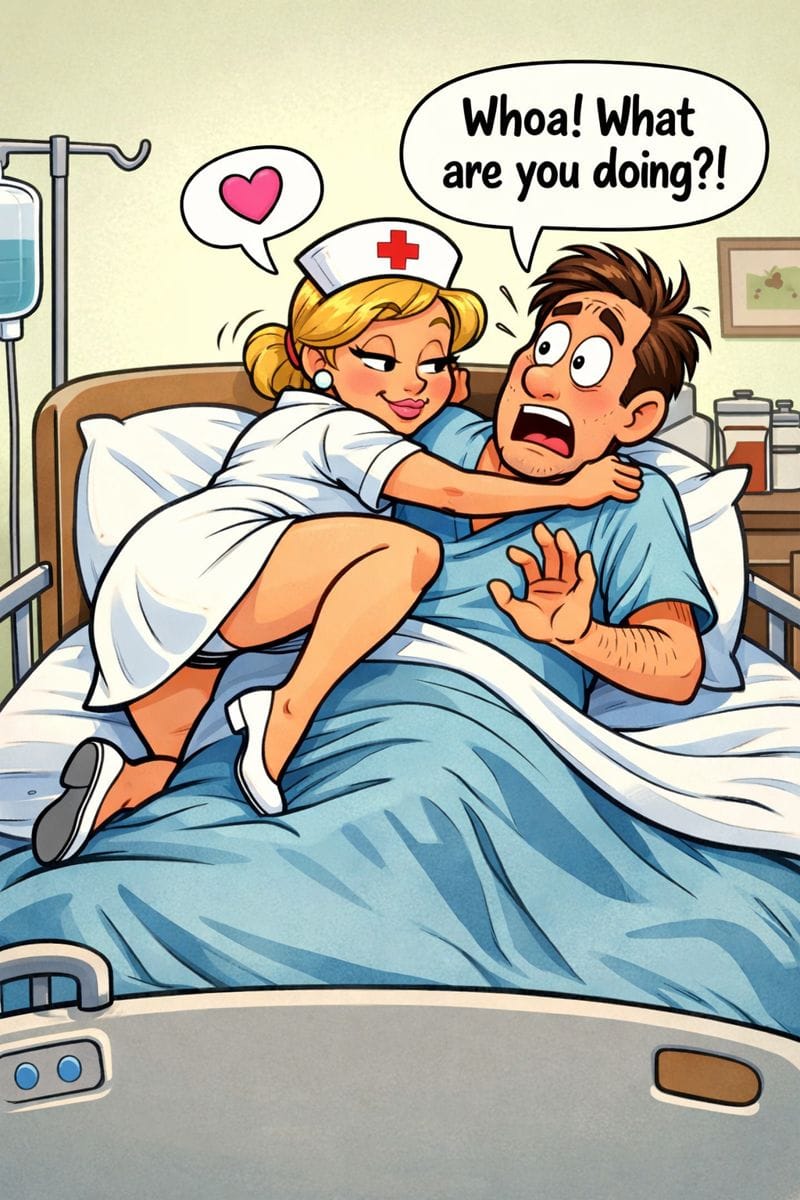
In those days, the merits of early ambulation were not appreciated. A week to ten days of bed rest was the routine for uncomplicated abdominal surgery. But Morris' recovery was rapid, confirmed the next day by a nurse climbing into bed with him. Needless to say, he was uncooperative and ran up the stairs to be back at work on the fourth day!

The historical novel Whitewashed Jacarandas and its sequel Full of Possibilities are both available on Amazon as paperbacks and eBooks.
These books are inspired by Diana's family's experiences in small town Southern Rhodesia after WWII.
Dr. Sunny Rubenstein and his Gentile wife, Mavourneen, along with various town characters lay bare the racial arrogance of the times, paternalistic idealism, Zionist fervor and anti-Semitism, the proper place of a wife, modernization versus hard-won ways of doing things, and treatment of endemic disease versus investment in public health. It's a roller coaster read.
References:
Excerpt from Dr. Morris Isaac Hirsch's Unpublished Memoirs. Hirsch Archives.
Cartoon created with the help of Topsy, my doppleganger.