The Battle of Amba Alagi
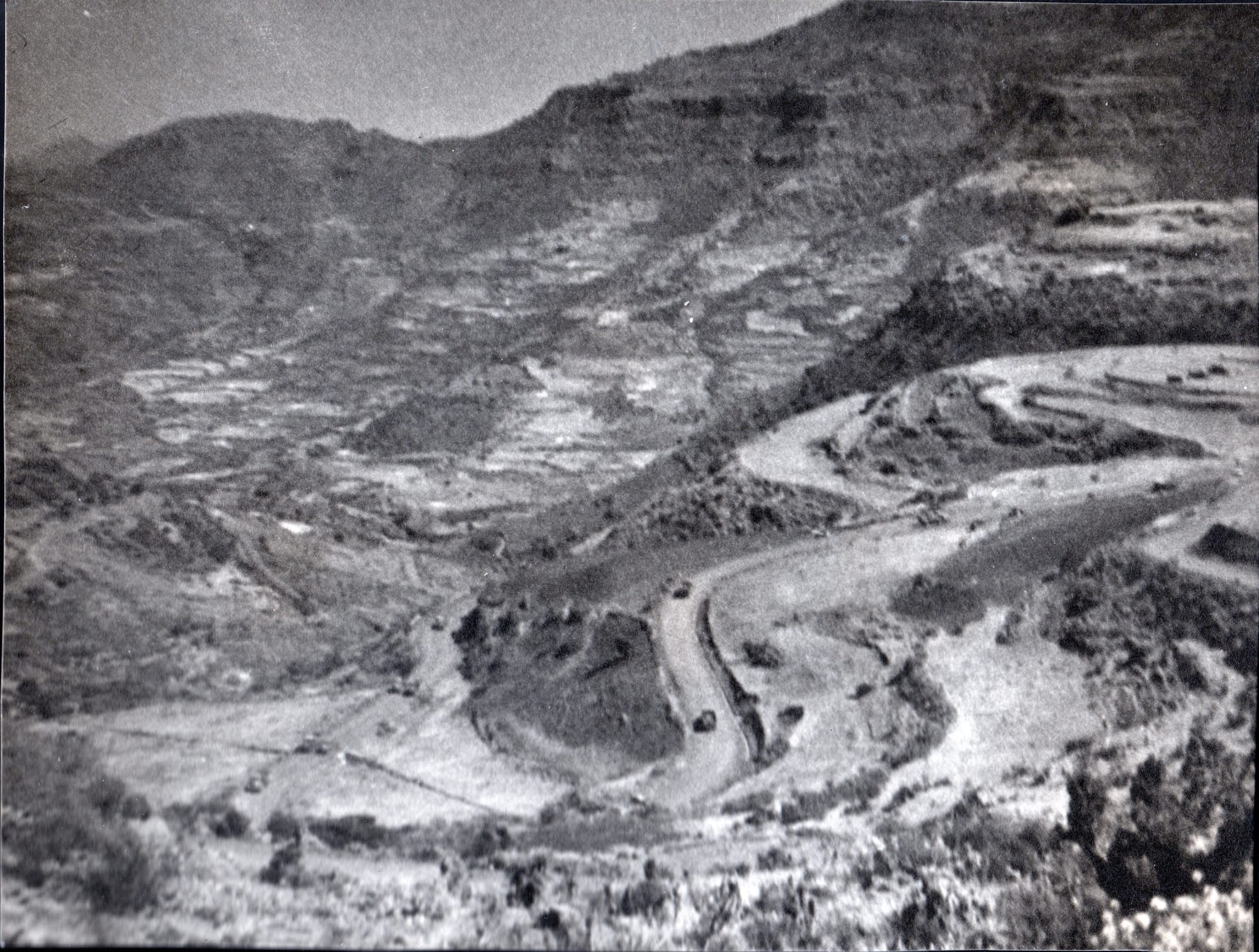
Amba Alagi is a mountain fortress on the main road between Asmara and Addis Ababa. Morris Hirsch drove through it after he'd bade farewell to the Field Ambulance.

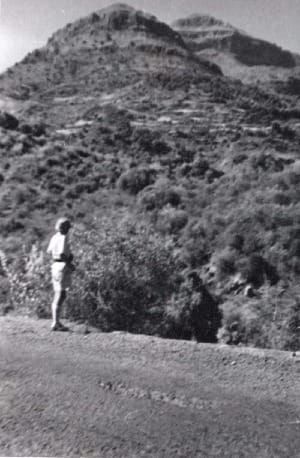
This fortress had last been captured by Commonwealth troops after just two weeks. The siege and artillery barrage began on the 4th of May 1941. There was a small chapel on the peak at 12,000 feet. At that elevation it was very cold. (In Abyssinia, "The Big Rains" in the middle of the year make conditions so cold that it is considered the winter season.)
The previous siege, valiantly resisted by the less equipped Ethiopians, lasted nine months after the Italian invasion began in 1935. It fell only after a gas attack (both sides abjured gas in the Commonwealth campaign). In 1892, the Italians had attempted to conquer Abyssinia and at Amba Alagi, 3,000 Italians were surrounded and eventually massacred.
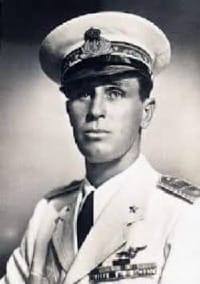
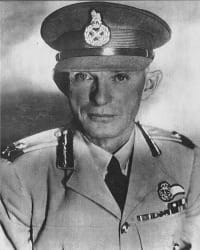
The Prince of Amedeo, usually referred to as the Duke of Aosta, commanded the entire Italian campaign in Abyssinia. He was very tall and spoke with Oxford accent. He'd ridden with the hounds and played polo. He'd fought on the Allies side in WWI. Only 40 years old in 1939, he opposed alliance with the Nazis. Having negotiated with the British to declare Addis Ababa an open city to forestall its bombardment, he had retreated to Amba Alagi.
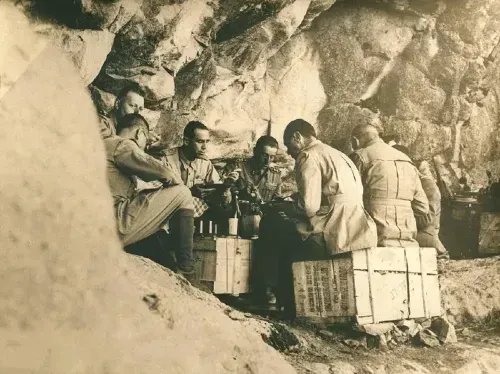
Defenses had been made in the surrounding spurs and ridges, as far as five miles from the peak.
Major-General Mosley Mayne's troops were joined on 12th of May by Brigadier Dan Pienaar's 1st South African Brigade. They had captured the Italian garrison of Dessie, 200 miles (320 km) to the south on the 20th of April. They had made a rapid advance, rebuilding the road with bricks from a nearby brickyard.
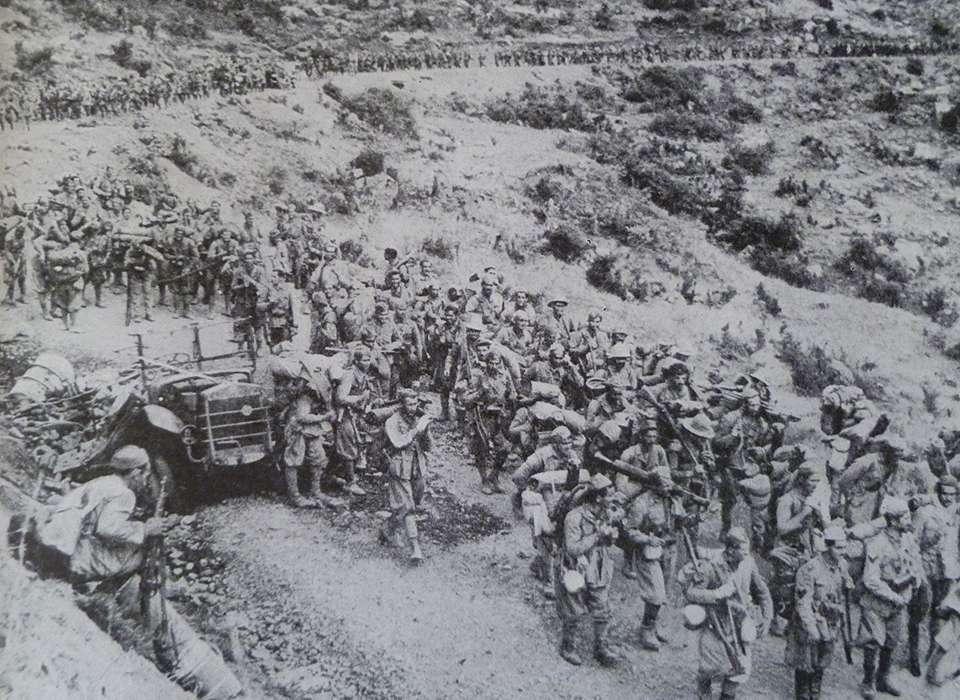
Now, 9000 British and Commonwealth troops and more than 20,000 Patriots (Ethiopian irregulars) completely surrounded 7000 Italian troops. A lucky artillery strike on an Italian fuel dump polluted the last of the garrison's drinking water. The final assault planned for the 19th of May proved unnecessary.
The Italians surrendered with the full honors of war, in acknowledgement of their gallantry.

Unfortunately, although the treatment of Italian POW's was good, particularly later at Sonderwater near Pretoria, the Duke died of complications from TB and malaria in Nairobi a year later.

This was a decisive Commonwealth and Ethiopian victory over the Italian Empire in East Africa.

The historical novel Whitewashed Jacarandas and its sequel Full of Possibilities are both available on Amazon as paperbacks and eBooks.
These books are inspired by Diana's family's experiences in small town Southern Rhodesia after WWII.
Dr. Sunny Rubenstein and his Gentile wife, Mavourneen, along with various town characters lay bare the racial arrogance of the times, paternalistic idealism, Zionist fervor and anti-Semitism, the proper place of a wife, modernization versus hard-won ways of doing things, and treatment of endemic disease versus investment in public health. It's a roller coaster read.
References:
Excerpt from Dr. Morris Isaac Hirsch's Unpublished Memoirs. Hirsch Archives.
Also:
The National WWII Museum. "Forgotten Fights: The Battle of Amba Alagi 1941" by Andrew Stewart, PhD.
Photos:
Hirsch Archives
The National WWII Museum. "Forgotten Fights: The Battle of Amba Alagi 1941 by Author Andrew Stewart, PhD. https://www.nationalww2museum.org/war/articles/battle-amba-alagi-1941.
https://en. wikipedia.org/wiki/Battle_of_Amba_Alagi_(1941)
Portraits: Wikipedia
https://9gag.com/gag/aqGOb8Y
www.alamy.com/stock-photo/amba-alagi.html?blackwhite=1&sortBy=relevant