A Drastic Remedy
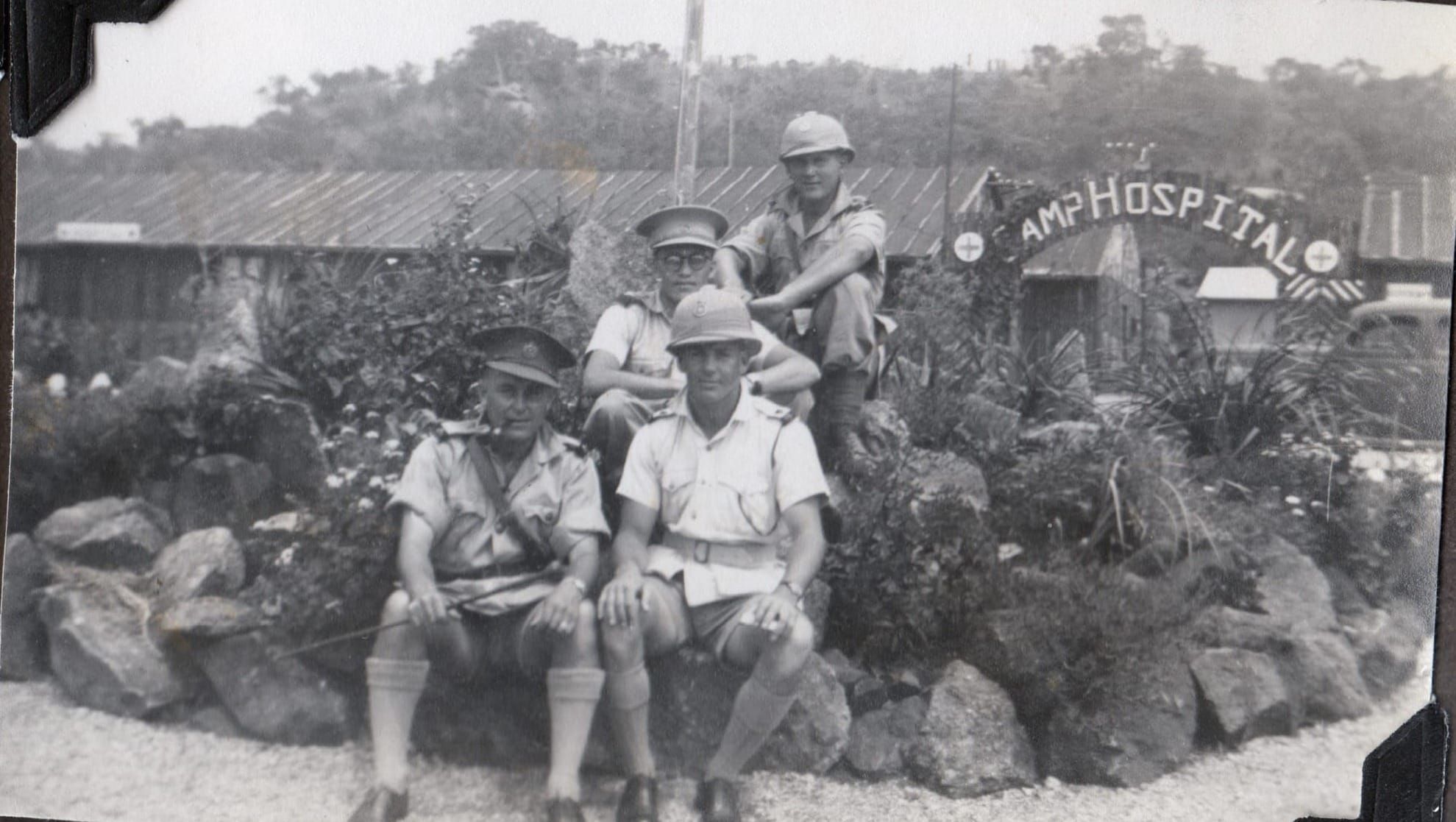
At the Barberton Army Camp, Morris Hirsch faced, in the main, a steady stream of acute benign tertian malaria. It tends to recur without lethal complications.

However, the malignant tertian disease caused by a different malaria parasite, though much less common, was life threatening, particularly the Cerebral and Algid forms and Blackwater Fever.
Quinine was administered by intravenous injection or by continuous intravenous drip. This had to be fine-tuned to give sufficient of the drug to destroy the parasite but limited to avoid hemolysis (red blood cell break-up) and thus 'Blackwater', or other permanent side effects such as nerve deafness.
Often he had to monitor this therapy at the bedside throughout the night: they never lost a case, an enviable record for the times. The patients, the troops and the Camp and Unit commanders, especially John Hoffmann, knew it.
On the other hand, one of the unit commanders complained that there was an epidemic of route march shirking on the grounds of backache. He said Morris was aiding and abetting it by issuing a spate of excuse duty certificates. The commander did not believe most cases were genuine. Morris had to agree but pointed out the difficulty of making clinical diagnoses. The commander was emphatic that the problem was Morris' to solve as his training program was seriously affected.
Morris could not think of any way to counter a malingerer's claim to pain, until he contemplated a more comprehensive investigation. Lumbar puncture (putting a needle between a lower lumber vertebrae) was a valid investigative procedure. He was adept, precise and quick so he could do it without a local anesthetic.
Sure enough, after the second L.P., the requests for excusal from route marching fell dramatically. Morris felt bad despite official commendation.

The historical novel Whitewashed Jacarandas and its sequel Full of Possibilities are both available on Amazon as paperbacks and eBooks.
These books are inspired by Diana's family's experiences in small town Southern Rhodesia after WWII.
Dr. Sunny Rubenstein and his Gentile wife, Mavourneen, along with various town characters lay bare the racial arrogance of the times, paternalistic idealism, Zionist fervor and anti-Semitism, the proper place of a wife, modernization versus hard-won ways of doing things, and treatment of endemic disease versus investment in public health. It's a roller coaster read.
References:
Excerpt from Dr. Morris Isaac Hirsch's Unpublished Memoirs. Hirsch Archives.
Photo: Hirsch Archives.