In the Hot Seat
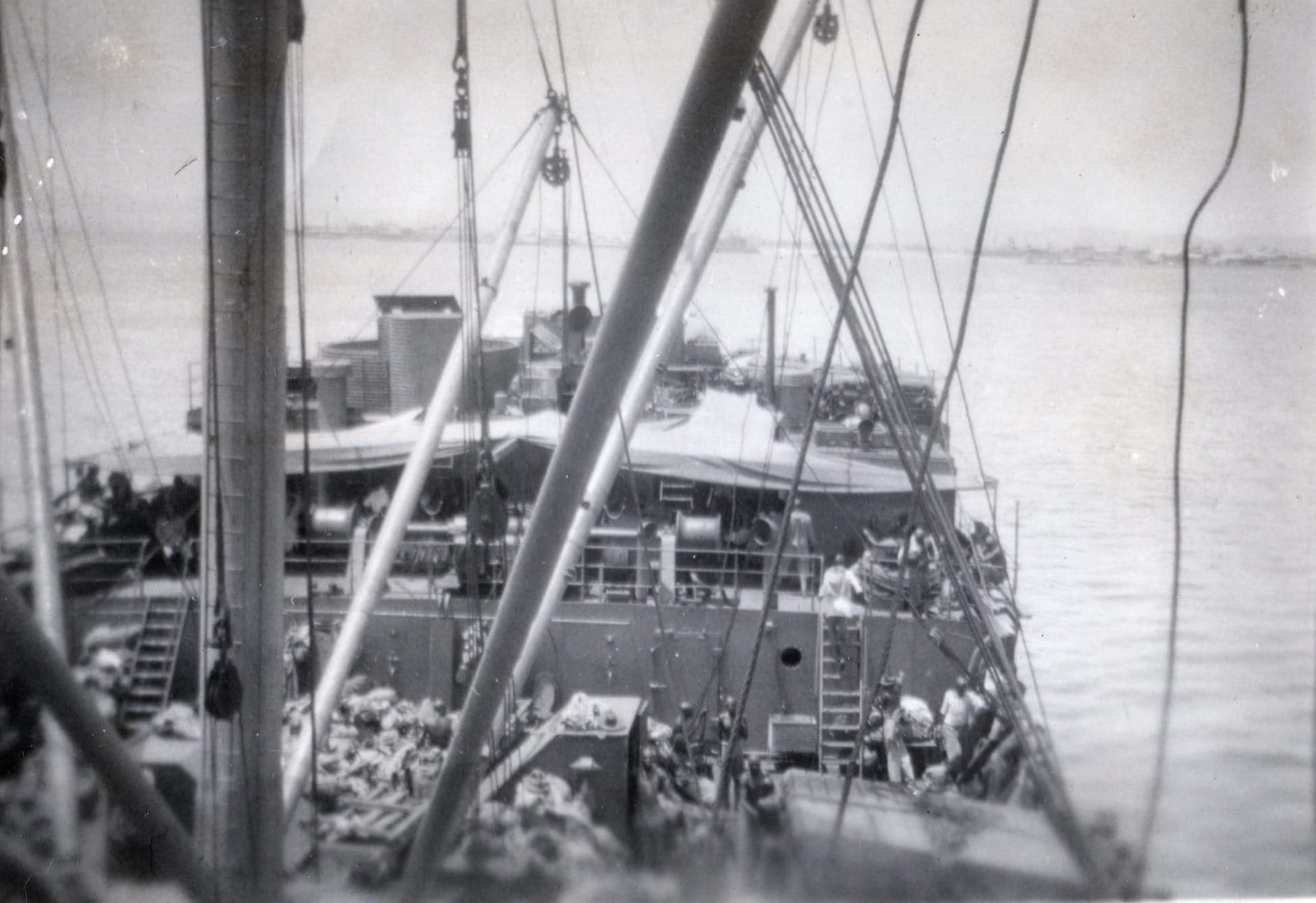
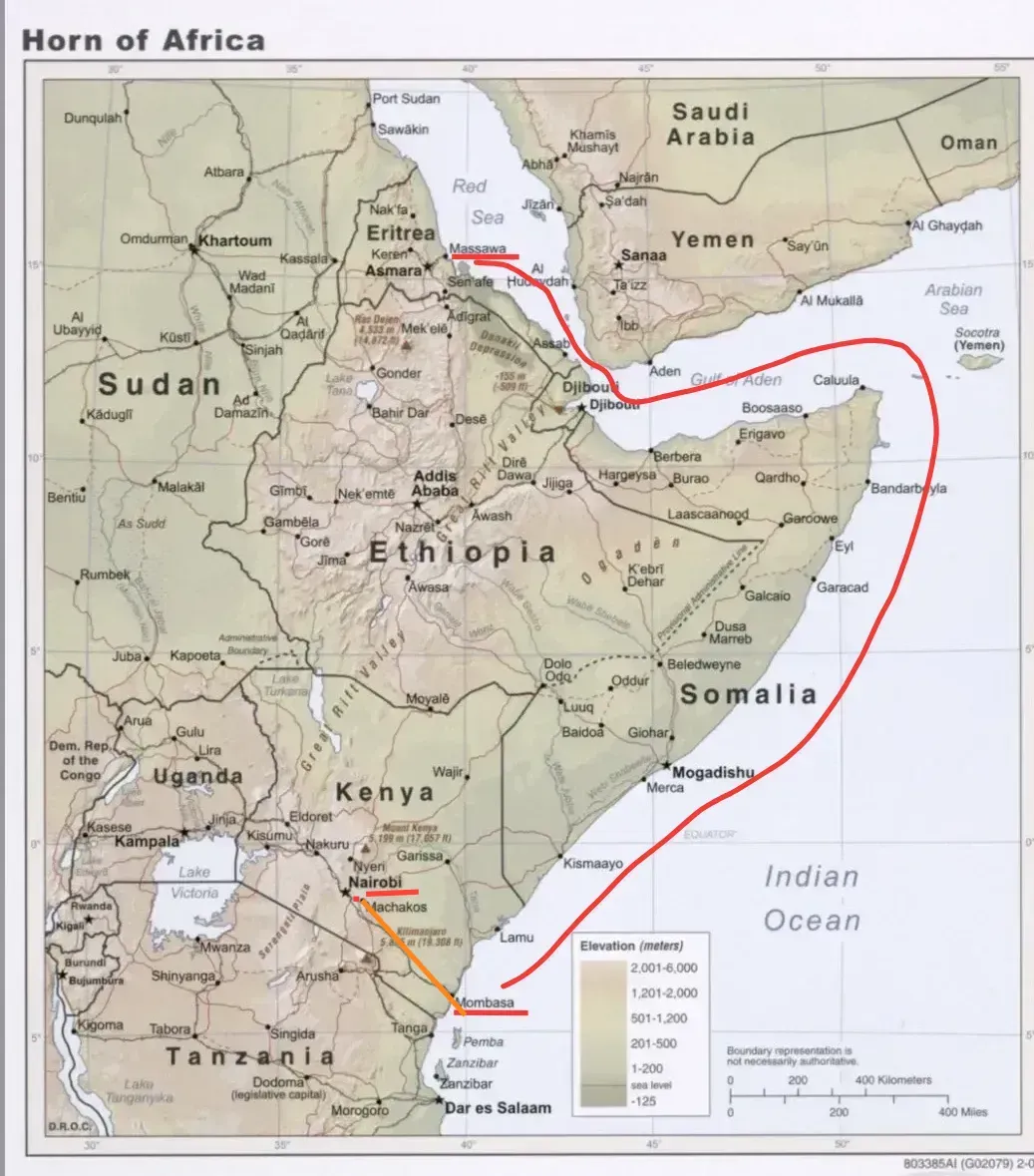
Morris Hirsch's differences with Captain Boles had fatal consequences. East African Forces began boarding the troop transport ship at Mombasa's Kilindini Docks. The civilian passenger-cargo liner SS Salween had been converted into a naval troopship as HMS Salween, to carry 1,400 troops.

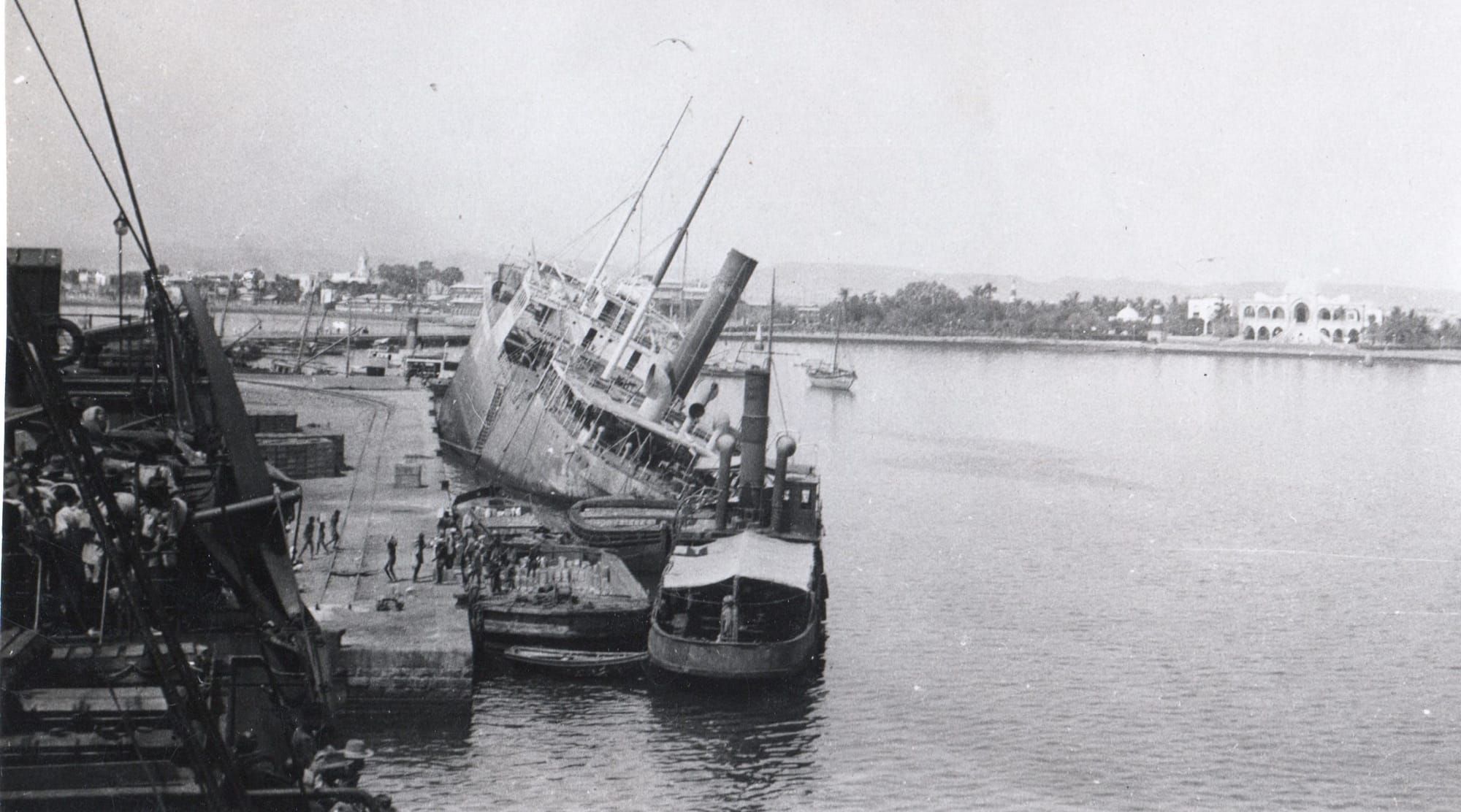
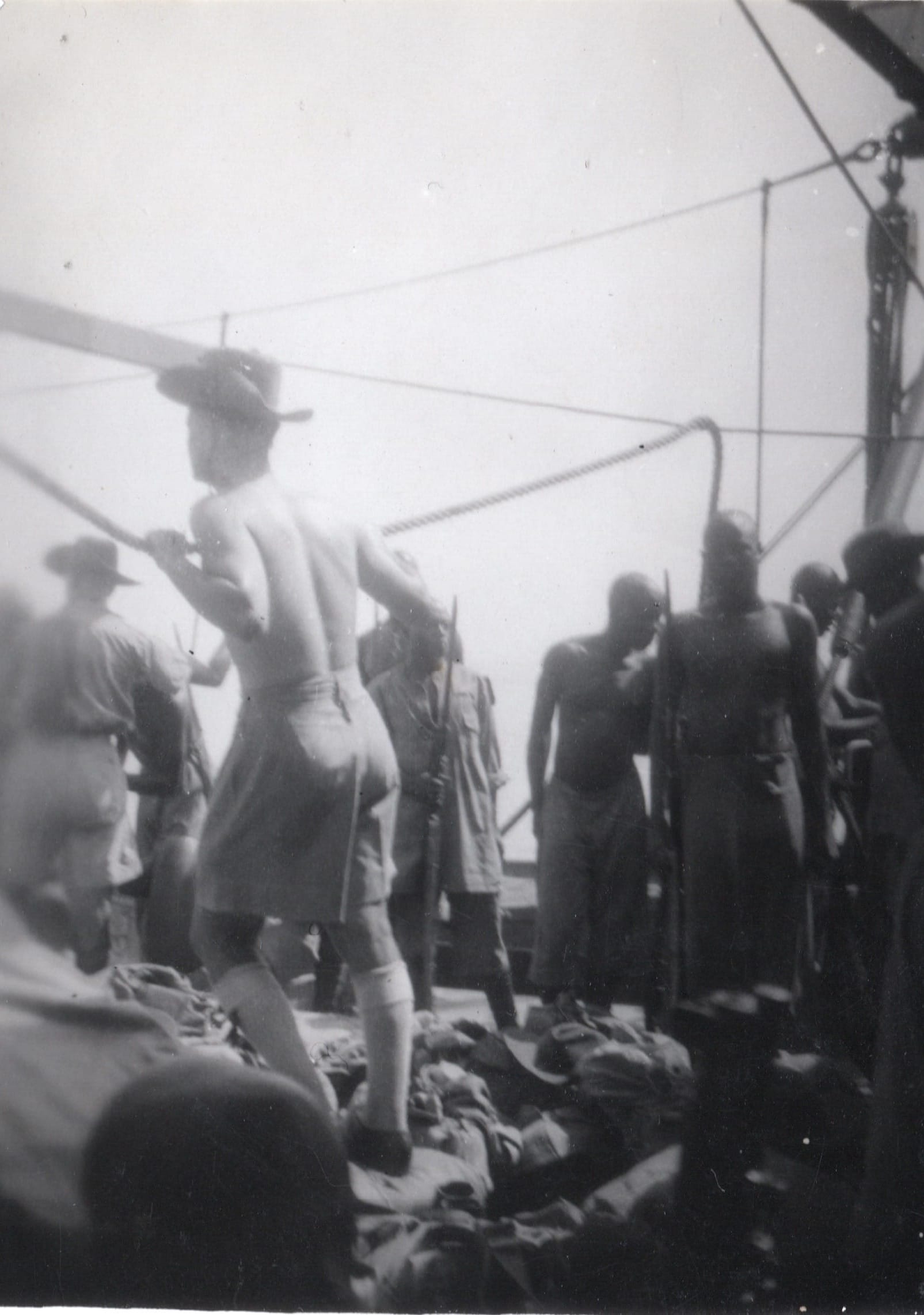
The Black rank and file, the askaris of the 2/3 (Second Battalion of the Third Regiment) Kings African Rifles, were herded into the holds in cramped conditions that to Morris were inhumane and a prescription for sharp deterioration in fitness and health, and for disease.
Capt. Boles' scoffed. Hence, the OC berated him again for not adapting to East African ways and not recognizing the strain on Allied shipping.
The predictable consequences, however, took on ironical turns. Capt. Boles was an early seasick victim and took to his bed. Morris was not surprised, considering his colonialist, indulgent life style. He welcomed being left to his own devices, free to battle it out.
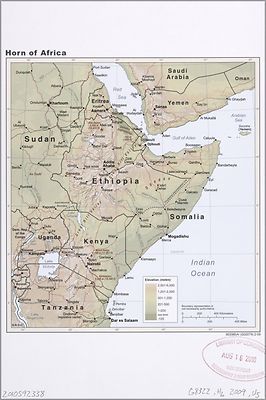
After a respite in Aden, increasing humid and hot conditions in the Red Sea began to take a serious toll. By the time they reached Massawa, the temperature was 120 degrees Fahrenheit in the shade and the humidity close to 100%.
He reported to the OC the alarming increase of the askaris' hyperpyrexial illness and advocated transferring at least half the personnel from the holds to the upper covered decks.
The OC replied "Relief will come quickly when we land to climb just 75 miles on the excellent Italian road to Asmara at 8000 feet."
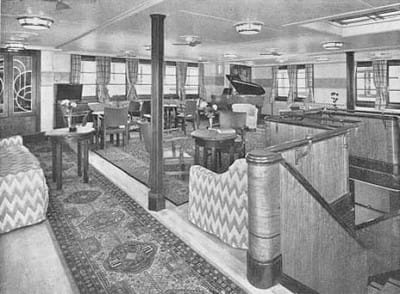
He rejected out of hand any idea of having Black other ranks occupying the lounges and other officer-zoned areas.
Because Morris could not give a specific diagnosis, the OC decided it must be malaria. "You are understandably not fully conversant with malaria, coming from South Africa!"
So quinine was his answer.
Morris had already ruled out malaria which he had confirmed with negative blood smears. He refrained from calling attention to the OC insulting his professional competence. He'd be risking a charge of subordination–later–because with Capt. Boles out of commission for the duration of the voyage, the OC could not do without his services until they landed.
Before reaching Massawa, Morris also fell victim to the sickness. It was heatstroke. With a soaring temperature, worried about his ability to carry on, he became panicky and his memory clouded. He vaguely recalled rising from his sick bed to perform a post-mortem examination on the first of three fatal cases, on the top deck of the ship, dressed in his flimsy pajamas.
He confronted the CO. His own clinical state and the negative blood slides meant there was no other cause of the pyrexia than heatstroke. The prospect was an unpredictable death tally amongst the many afflicted and potential cases, unless his previous advices were heeded urgently.
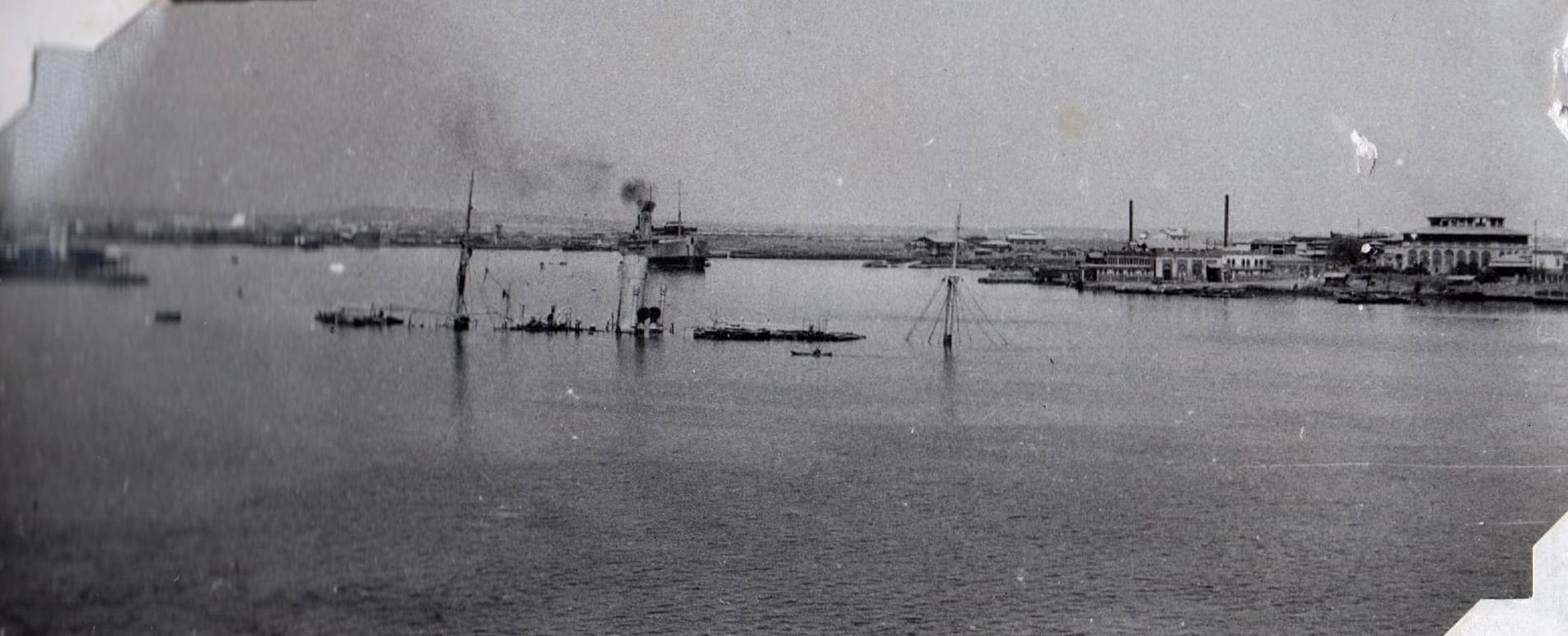
The OC had just received orders that because the harbor entrance at Massawa had been deliberately blocked by the Italians sinking their trapped vessels, they were to stay in the roads for at least a week until the way in was cleared. He was visibly shaken, silently reflecting. The line up of waiting ships came into view, confirming his predicament. Finally he said, "Yes, thank you, go ahead."
Morris moved swiftly into action. The spacious upper decks were cleared; all the troops moved up from the hold; the officers dining room was converted into a hospital ward and officers ordered to meet Morris' every need. Clinical sorting, treatment, and preventive action were now feasible. The crisis subsided before they were able to disembark. It had been a nightmare.
Wasting no time to escape the acute discomfit and chaos of the port, Morris hastened to catch up with the Three Musketeers and the 6th Ugandan Field Ambulance unit in Asmara.

The historical novel Whitewashed Jacarandas and its sequel Full of Possibilities are both available on Amazon as paperbacks and eBooks.
These books are inspired by Diana's family's experiences in small town Southern Rhodesia after WWII.
Dr. Sunny Rubenstein and his Gentile wife, Mavourneen, along with various town characters lay bare the racial arrogance of the times, paternalistic idealism, Zionist fervor and anti-Semitism, the proper place of a wife, modernization versus hard-won ways of doing things, and treatment of endemic disease versus investment in public health. It's a roller coaster read.
References:
Excerpt: Dr. Morris Isaac Hirsch's Unpublished Memoirs. Hirsch Archives.
Photo credits: Hirsch Archives.
Also: SS Salween lounge: Shipping Today and Yesterday Magazine. Norman Middlemiss.
Map:
 History Galore