Major Problems
Lieutenant Morris Hirsch found all the relationships in Company 'B' of the 6th Ugandan Field Ambulance amicable and cooperative with one exception.

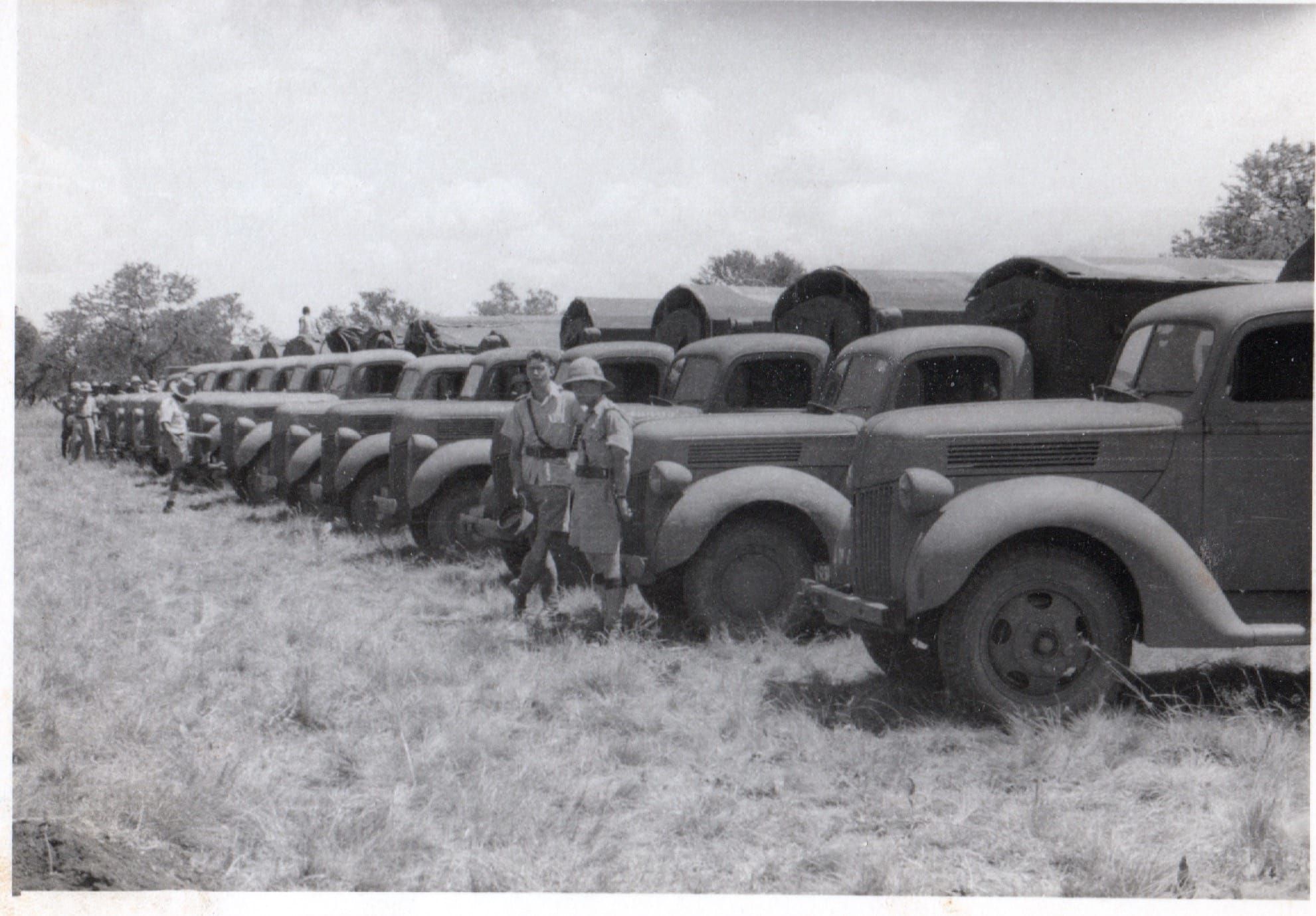
The Major, 2 IC to the OC, Col. Cowan, and 'B' Company Commander and its only other officer, put himself in virtual coventry. He invariably imbibed his first whisky with his morning ablutions. When he did show up at the morning assembly, he invariably abused and embarrassed everyone. He would then retire to his tent to read until the blood flow of alcohol sent him snoring again.
This alternating performance filled his day. No one seemed to be put out by his retreat. His disfunction was never mentioned. Morris was perfectly happy with being de facto in charge of medical affairs.
He got a ringside seat on a ridge to observe the Italians' front-line of their final stand before Gondar in Abyssinia (Ethiopia), scurrying in panic for safety from the accurate shelling of the Gordon Highlander's gunnery. Here he realized the senselessness of war. He felt compassion for the 'poor bastards'.
But only when they surrendered and the mass of wounded, sick and neglected descended upon 'B' Company, did he comprehend the full measure of their suffering. Until Gondar was fully secured and the large modern hospital revived, there was no other medical facility apart from HQ 300 miles up the road near Asmara.
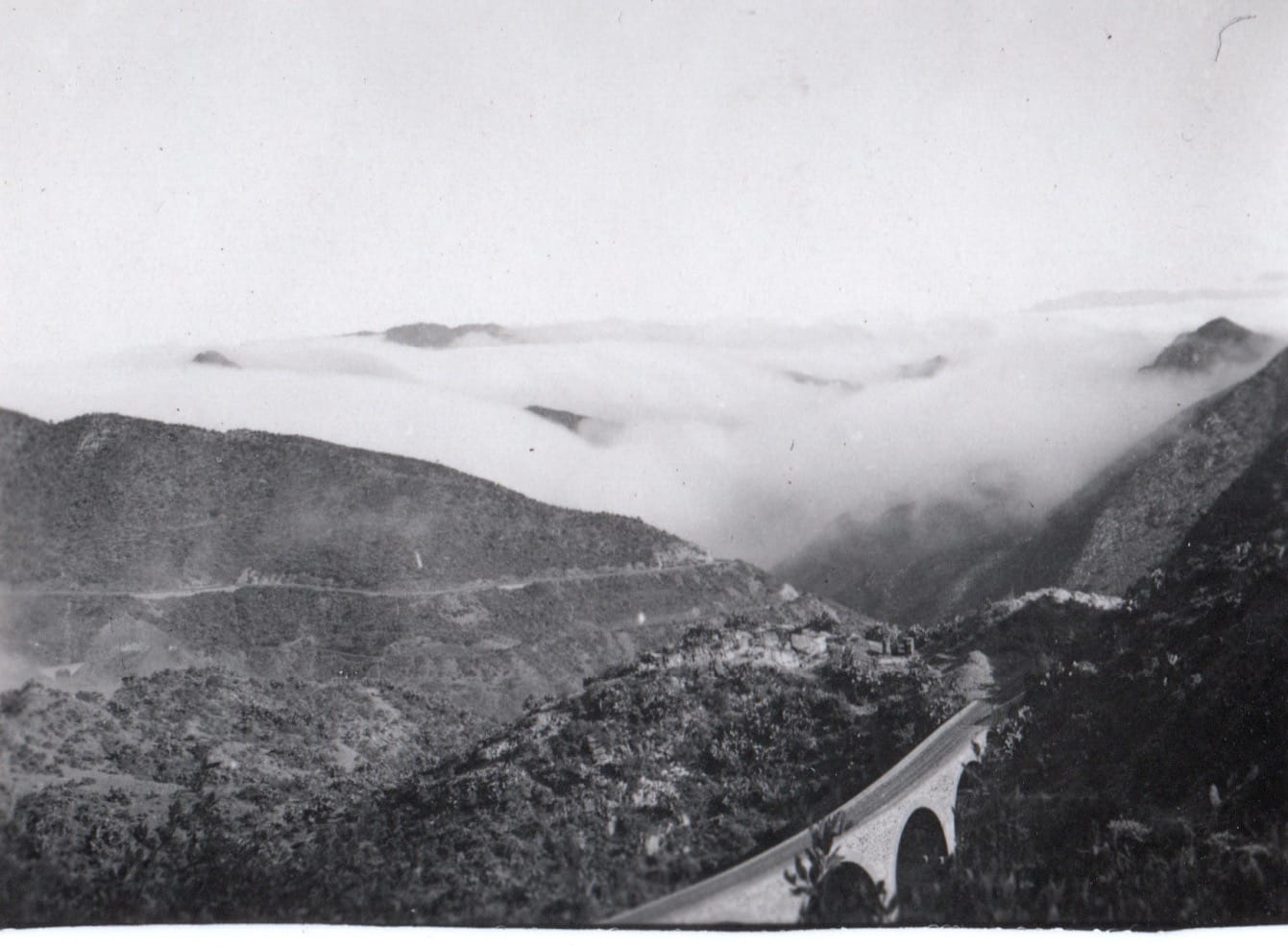
The 2 IC did not respond. Perhaps he feared his own incapacity would be revealed or he thought the cowardly 'Ities' deserved their fate, a view he had expressed. Perhaps he was simply past thinking coherently.
Bill Osgoby sponged around for supplies to improvise and extend the facilities. Alfred and Samuel were untiring in support, keeping the patient flow going with minimal interruption: efficiently setting up, anesthetizing, assisting, recording and fulfilling whatever nursing and life support directives were given them.
Everyone was moved by the POW's misery: malnourished, unwashed and in tatters; wounds grossly septic if not gangrenous. Some POWs had acute pneumonia, others severe renal failure. Amputations, excision of contaminated un-sutured wounds, removal of shrapnel and even an untreated appendix abscess taxed the ingenuity and stamina of 'B' Company. Once patients were stabalized they were evacuated to HQ. The ambulances were continuously in transit, patients out and supplies in.

The historical novel Whitewashed Jacarandas and its sequel Full of Possibilities are both available on Amazon as paperbacks and eBooks.
These books are inspired by Diana's family's experiences in small town Southern Rhodesia after WWII.
Dr. Sunny Rubenstein and his Gentile wife, Mavourneen, along with various town characters lay bare the racial arrogance of the times, paternalistic idealism, Zionist fervor and anti-Semitism, the proper place of a wife, modernization versus hard-won ways of doing things, and treatment of endemic disease versus investment in public health. It's a roller coaster read.
References:
Excerpt from Dr. Morris Isaac Hirsch's Unpublished Memoirs. Hirsch Archives.
Photo Credits: Hirsch Archives