The Aftermath
When the pressure on Morris Hirsch lessened after the flood of enemy casualties from the fall of Gondar subsided, his occasional awareness that the habitually drunken major was best out of the way, more of a hindrance than a help, gave way to annoyance and then fury.

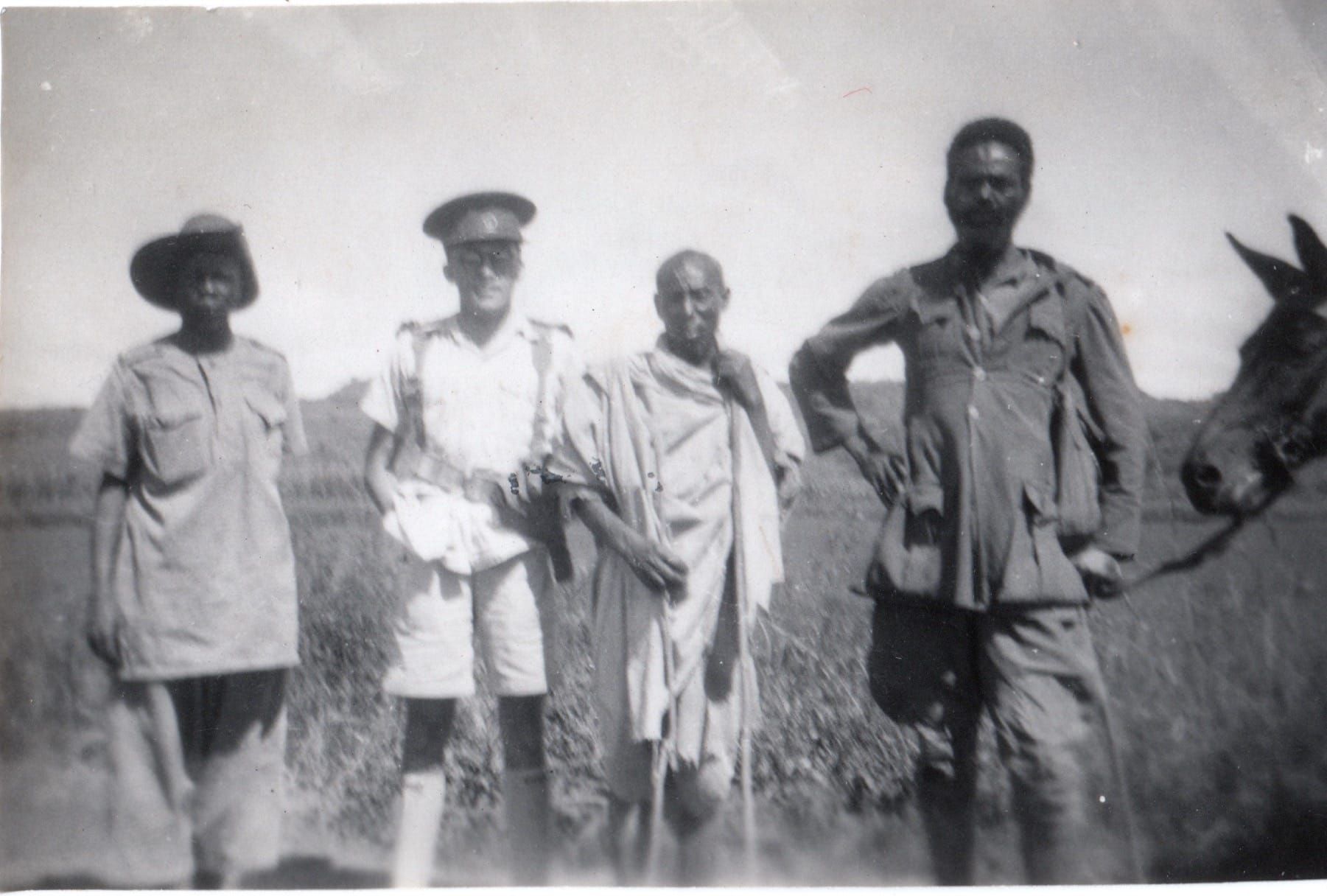
The major was the second in command of the entire 6th Ugandan Field Ambulance and the commanding officer of 'B' Company. Morris was the only other officer. He realized Col.Cowan, the OC, at HQ three hundred miles up the road, had not sent clinical staff reinforcements because he was under the impression that the major was an active participant and they were coping. The major hadn't called for it and under protocol, Lieutenant Hirsch could not do so.
Why the hell had they shielded him by bearing the load without protest? Morris impetuously vented his rage in a letter to his fellow medical officer, at HQ, Sam Garber and sent it off by the next ambulance. It was read by the adjutant in the censorship process. The game was on!
Col. Cowan sent Morris a curt note of reprimand. He would not replace him immediately because hostilities were ending, and 'B' company would soon return to HQ. He would deal with his insubordination then.
Morris simmered. Worry boiled over into scalding visions of a court martial or repatriation home in disgrace. Sam reported that Cowan was furious, but he was not sure how much with the major and how much with him.
The angel on Morris' shoulder however still kept a watching brief. The OC, with the adjutant and some other officers present, gave Morris a harrowing dressing down and formal reprimand. However, no further action was to be taken, because of the jurisdictional complication of his temporary secondment, which was to end on their return to Nairobi.
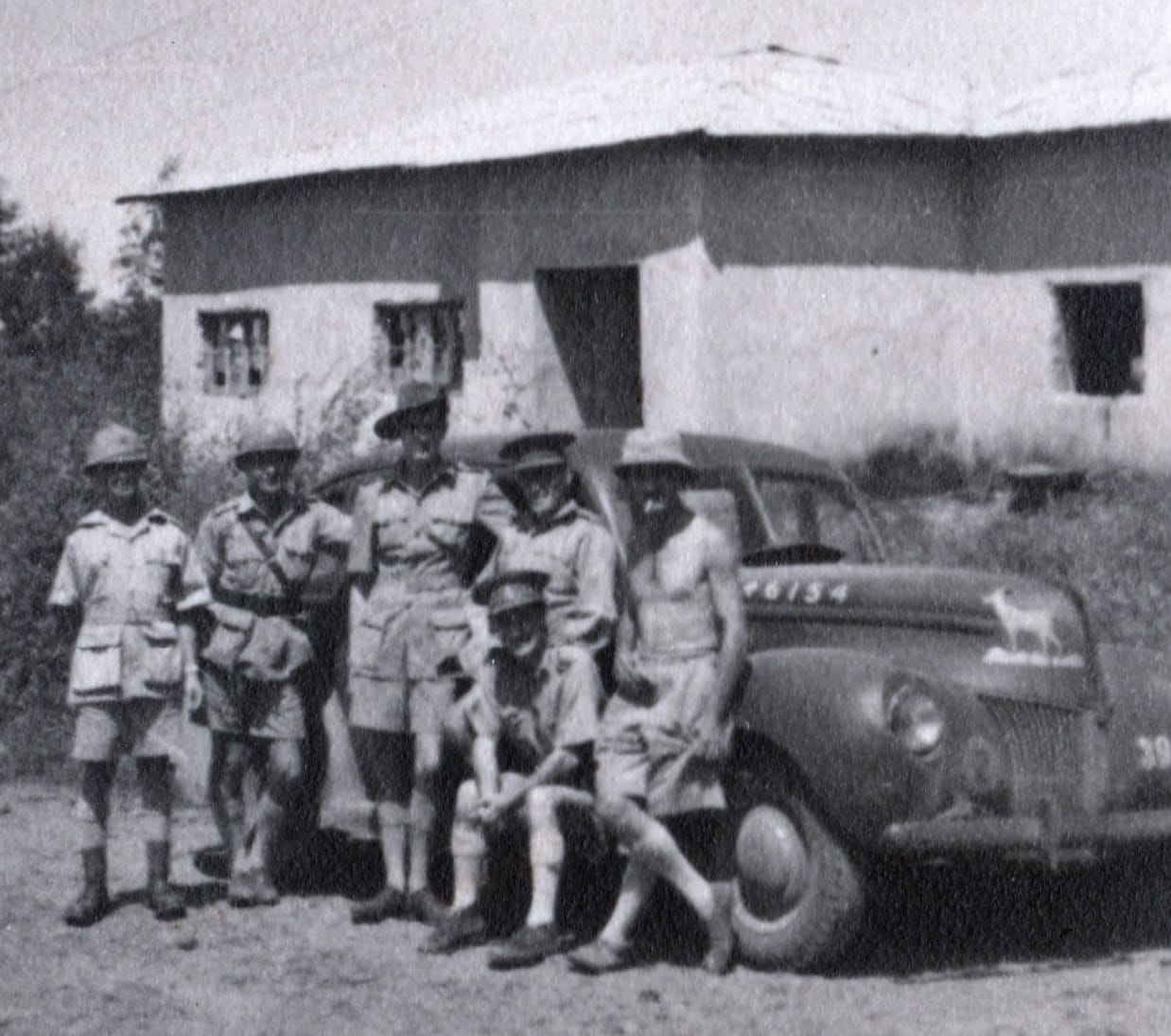
Later, Col. Cowan sought Morris out and congratulated him on the job he had done in the trying circumstances. Almost apologetically, he confessed that he had not anticipated how sick, injured and neglected the POW's proved to be. In thanking him for his efforts, he invited him to join his civilian group practice in Nairobi after the war!
Morris never found out what transpired at Col. Cowan's interview with his second in command. He was transferred back to Nairobi, where, not unexpectedly, he came to a traumatic end, killed in a motor accident. Morris felt sad and remorseful. He wondered whether 2 IC's alleged jilting was the origin of his alcoholism and whether they could not have helped rather than condoned and then condemned.
The other bad outcome was Capt. Neville's appointment as second in command, and 'B' Company commander. As predicted, he became more insufferable than ever, especially with the South Africans.

The historical novel Whitewashed Jacarandas and its sequel Full of Possibilities are both available on Amazon as paperbacks and eBooks.
These books are inspired by Diana's family's experiences in small town Southern Rhodesia after WWII.
Dr. Sunny Rubenstein and his Gentile wife, Mavourneen, along with various town characters lay bare the racial arrogance of the times, paternalistic idealism, Zionist fervor and anti-Semitism, the proper place of a wife, modernization versus hard-won ways of doing things, and treatment of endemic disease versus investment in public health. It's a roller coaster read.
References:
Excerpt from Dr. Morris Isaac Hirsch's Unpublished Memoirs. Hirsch Archives.
Photo Credit: Hirsch Archives