The Climb to Asmara
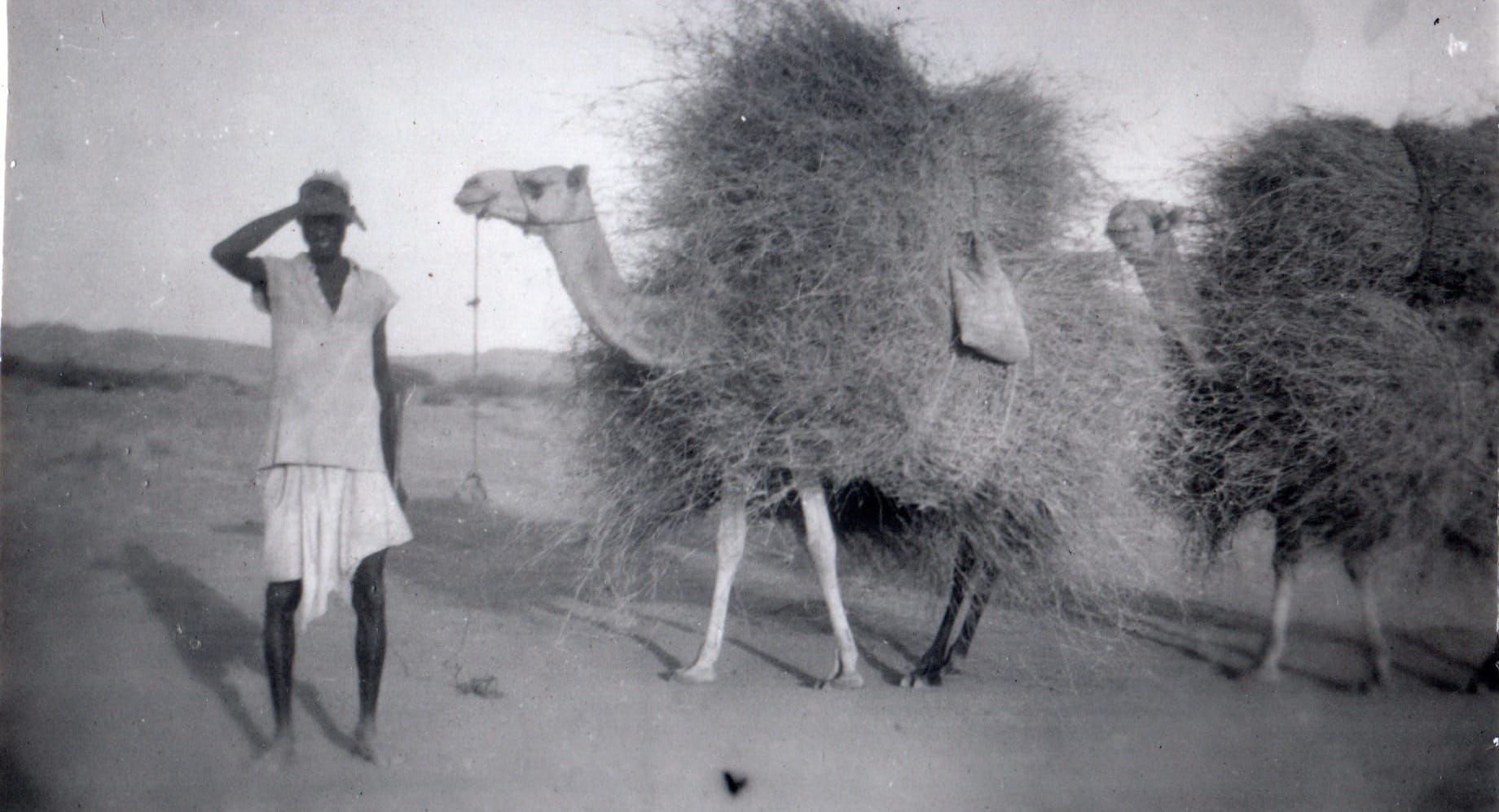
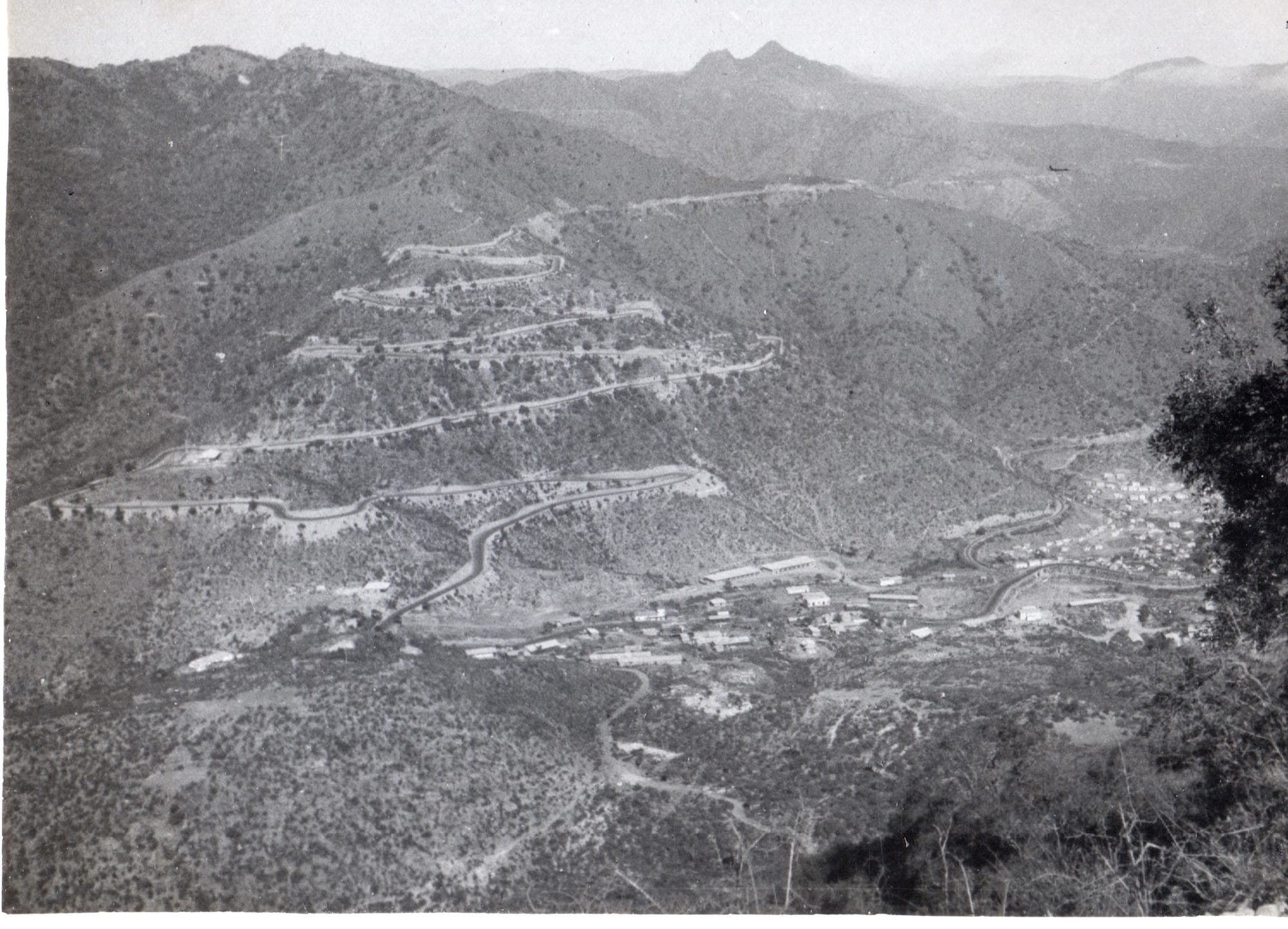
Morris Hirsch was anxious to catch up with the Three Musketeers and their Field Ambulance Unit. Over 70 miles, he travelled from coastal desert, through rock to spectacular mountains, then rolling green grasslands, to Asmara at 7,500 feet.

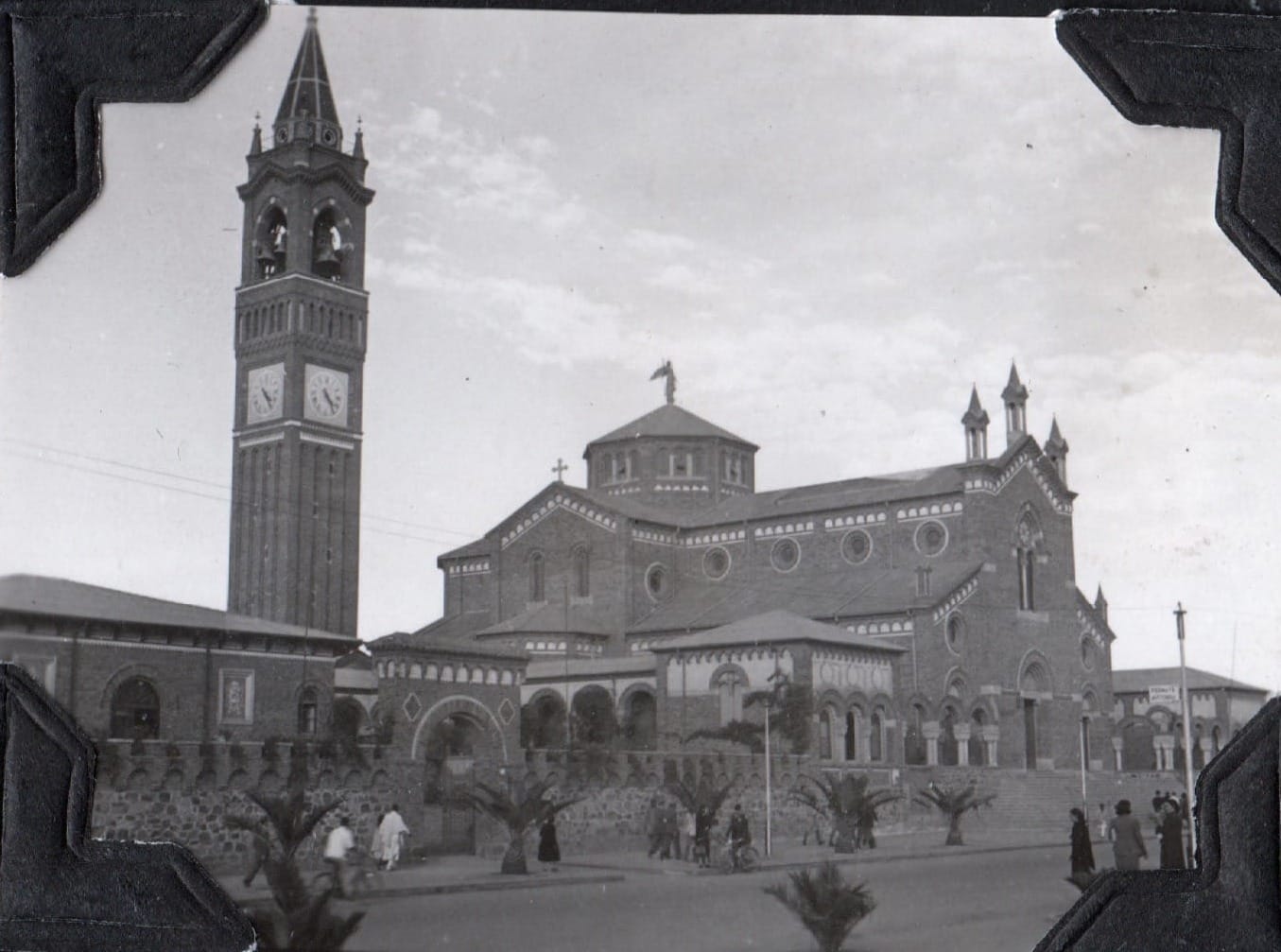
The bustling capital of Eritrea was a delightful surprise, a colorful replica of urban Italy. It was September of ’41. Morris had followed the disheartening two years of Allied defeats in Europe. The East African Campaign stood out in contrast. Britain and her Commonwealth had driven the Italians out of northern Kenya, the Sudan, taken over Italian Somaliland, recovered British Somaliland. The Italians had surrendered the capital of Abyssinia, Addis Ababa, and by agreement it had been declared a free city to preserve its historic buildings. The British had restored the Ethiopian Emperor, Haile Selassie, to his palace there. The Italian Air Force had been all but destroyed, Italy’s Red Sea and Indian Ocean warships sunk or captured. In May, the Duke of Aosta had surrendered their fortress at Amba Alagi.
Morris mused that the East African campaign was all but won. The three hundred miles of all-weather road from Asmara, Eritrea to Gondar, the ancient capital of Abyssinia, covered very challenging terrain with several well fortified Italian garrisons.
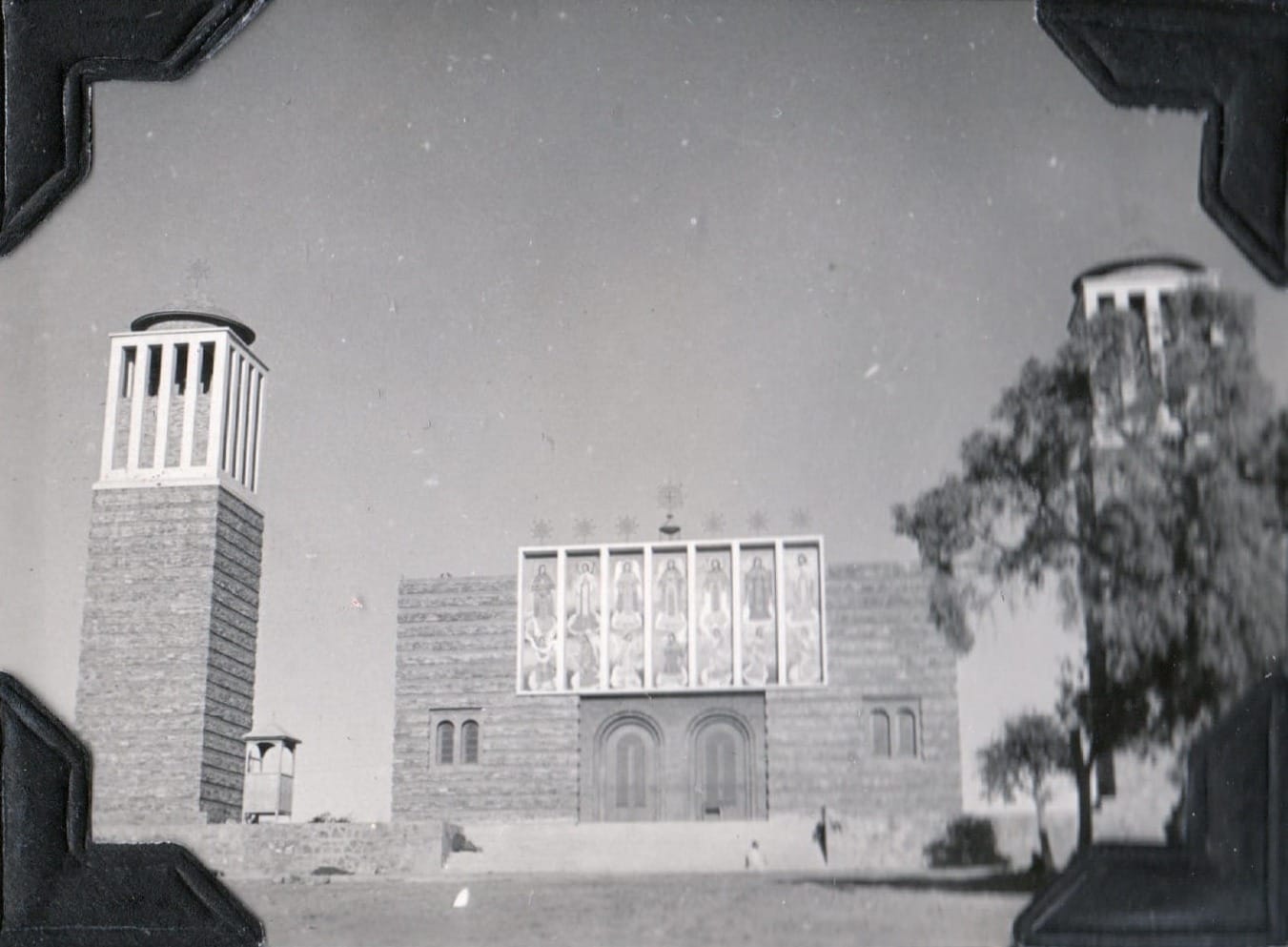
Unscarred by the war, and boasting many avant-garde buildings created in a burst of enthusiasm from 1935 to 1941, Asmara, the capital of Eritrea, had an air of normality. Most of their men had been hauled off to prisoner-of-war camps but there were lots of animated Italian women in the streets, shops and pavement cafes.
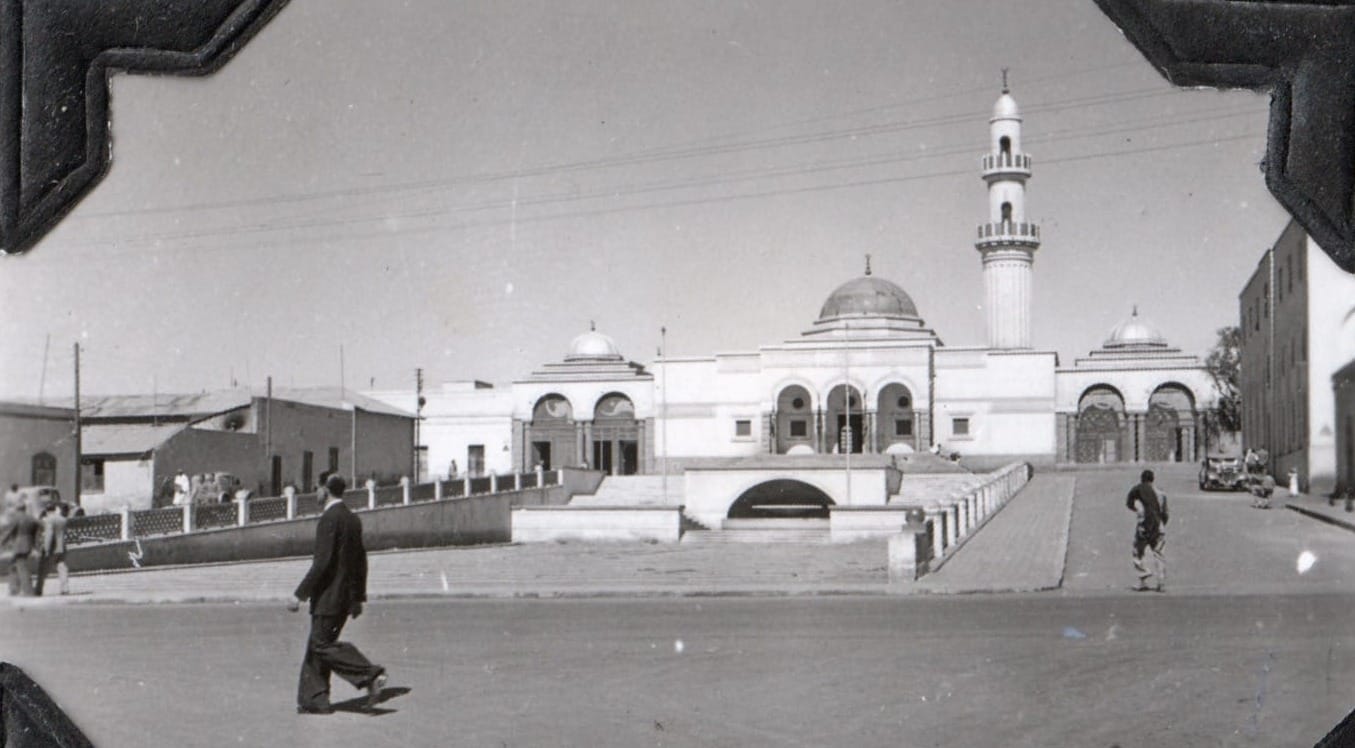
Much to the disappointment of all, the East African forces base camp was twenty miles on, deliberately sited beyond easy reach of the soldiers. But the officers had opportunities to visit and explore. They found the young beauties too well chaperoned for easy picking, so the brothel thrived.

The historical novel Whitewashed Jacarandas and its sequel Full of Possibilities are both available on Amazon as paperbacks and eBooks.
These books are inspired by Diana's family's experiences in small town Southern Rhodesia after WWII.
Dr. Sunny Rubenstein and his Gentile wife, Mavourneen, along with various town characters lay bare the racial arrogance of the times, paternalistic idealism, Zionist fervor and anti-Semitism, the proper place of a wife, modernization versus hard-won ways of doing things, and treatment of endemic disease versus investment in public health. It's a roller coaster read.
References:
Excerpt from Dr. Morris Isaac Hirsch's Unpublished Memoirs. Hirsch Archives.
Photo Credits: Hirsch Archives.